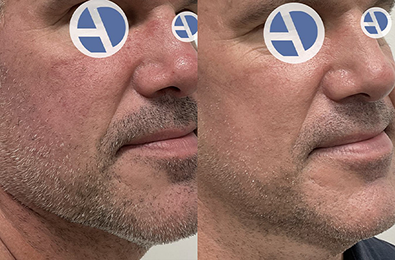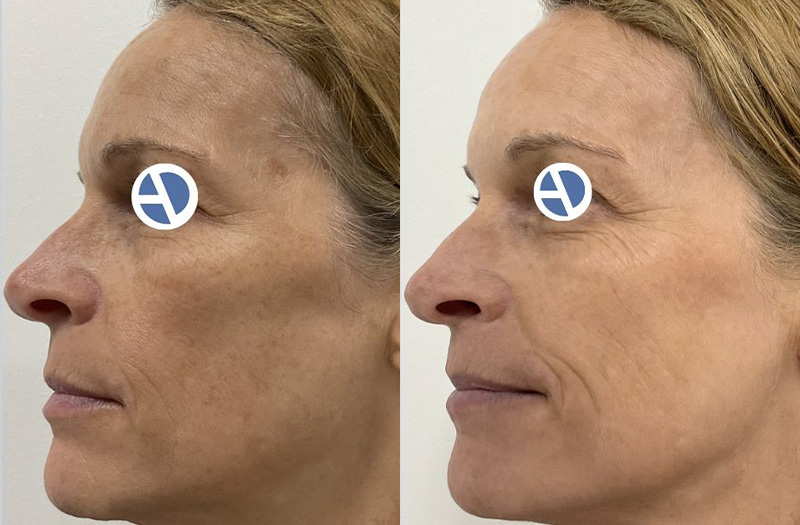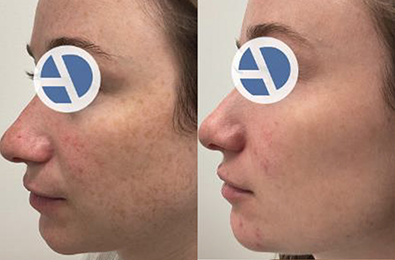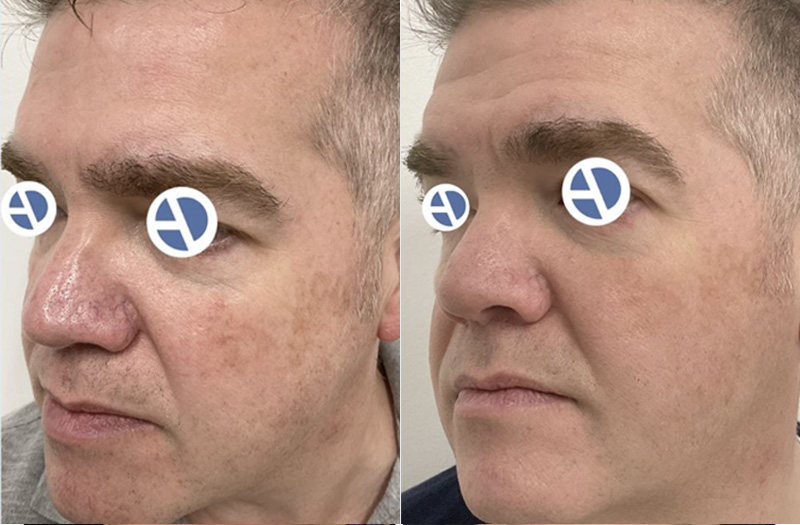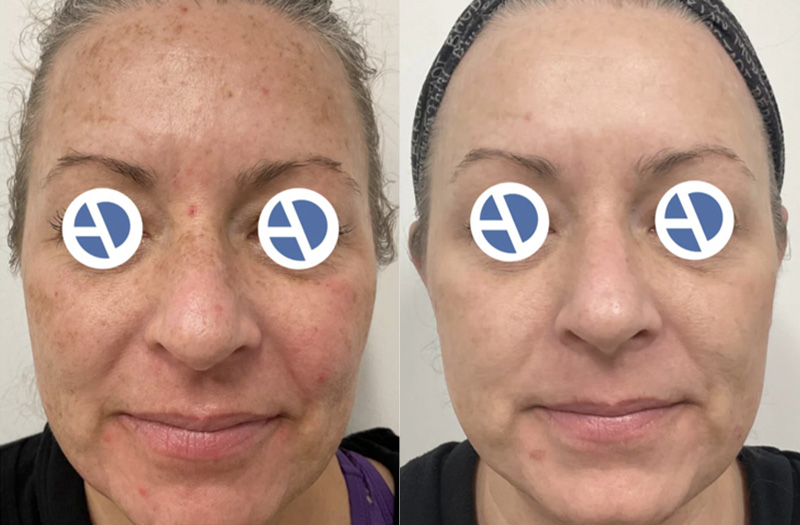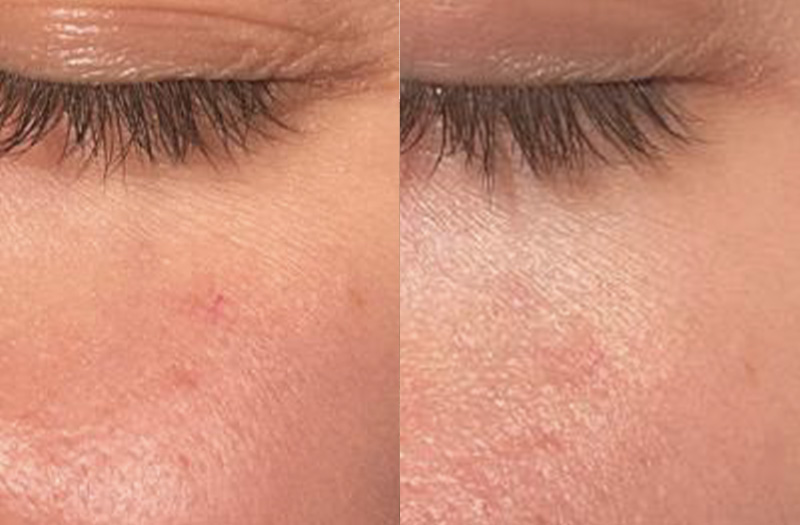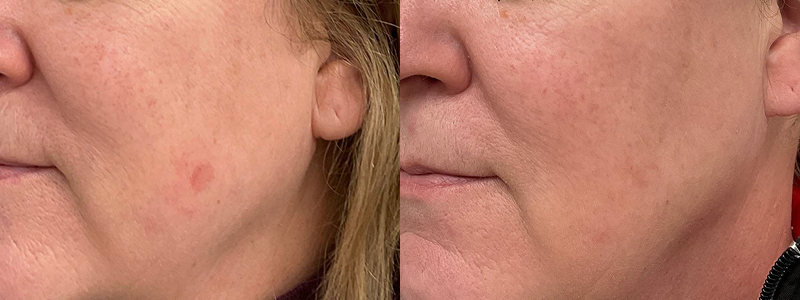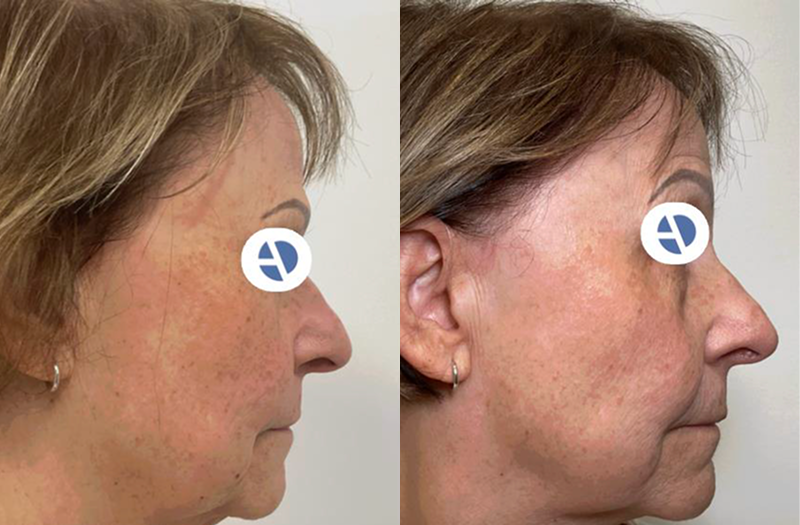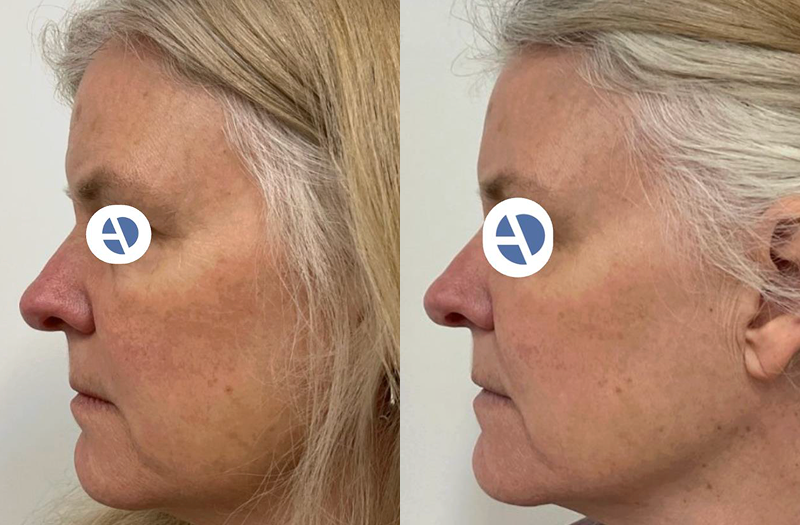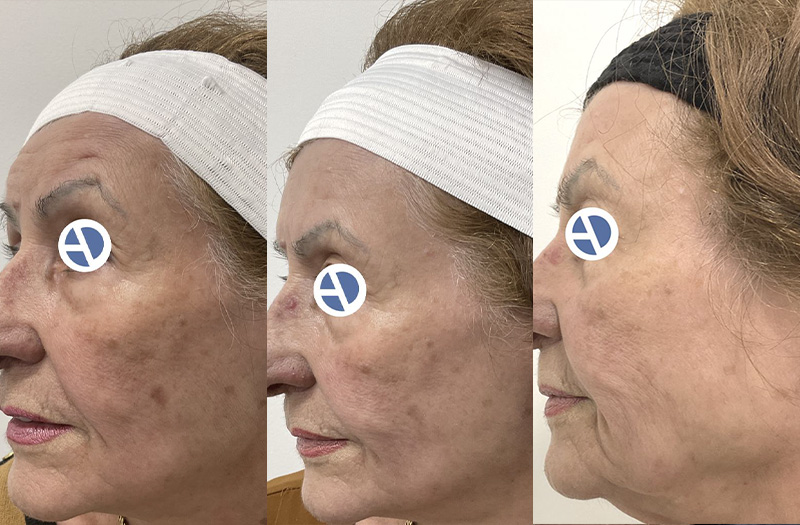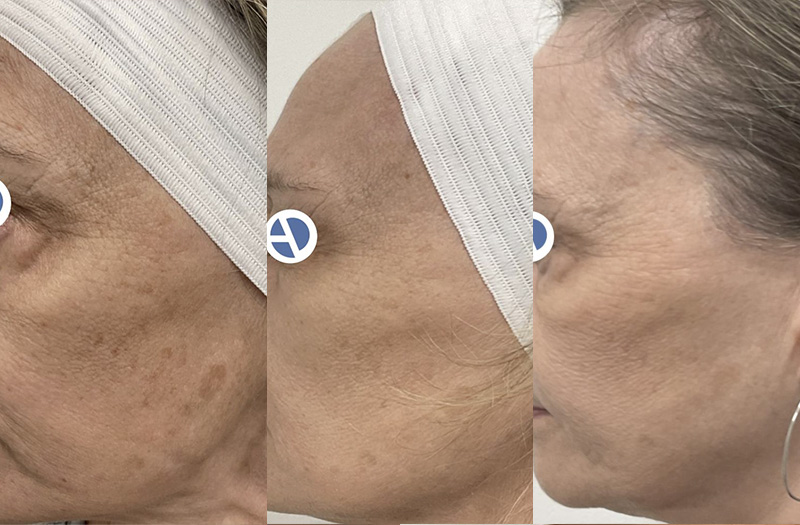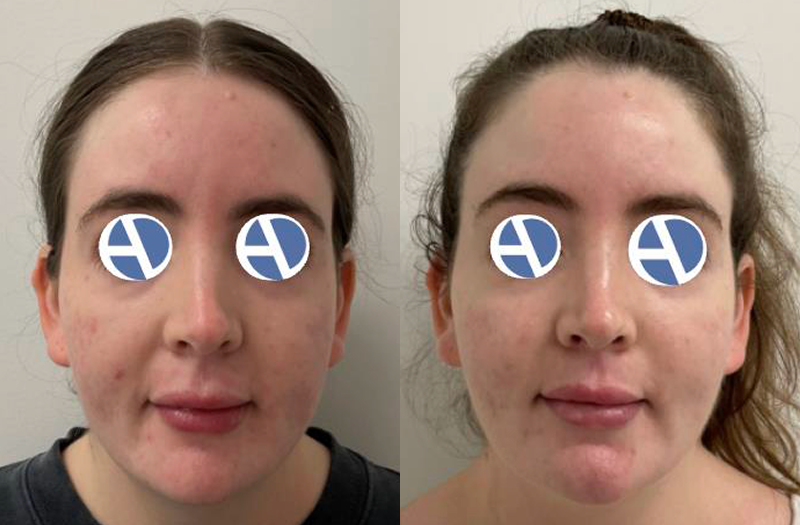




What is IPL?
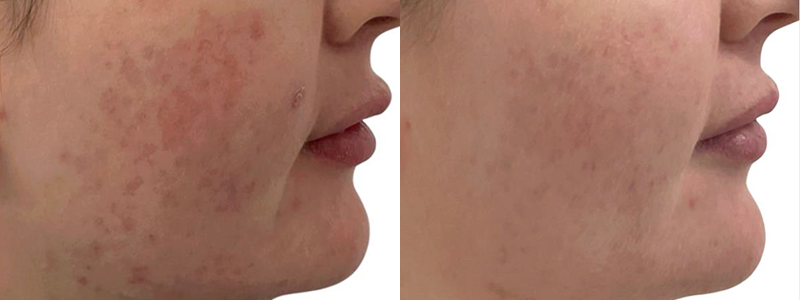
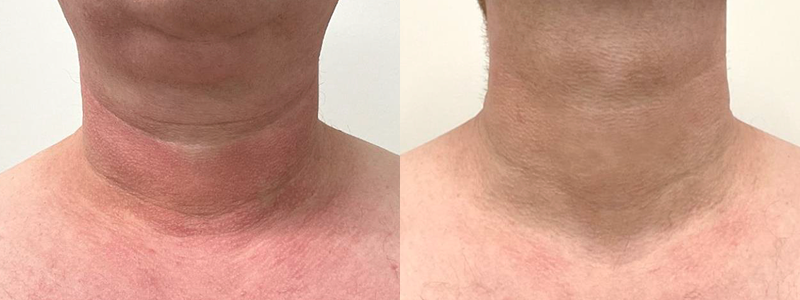
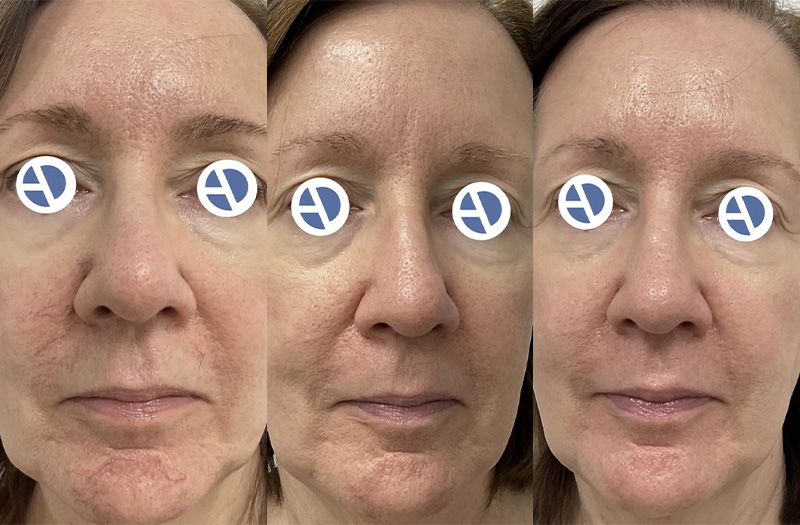
Intense pulsed light therapy, also known as a photofacial, is a non-invasive procedure where energy is delivered in the form of quick light pulses that improves the appearance of the skin by eliminating unwanted pigmentation, redness, and broken capillaries while also boosting collagen production in the skin.
How Does IPL Work?
IPL utilizes rapid flashes of visible and infrared light to eliminate unwanted skin pigment, vascularity, or hair and to stimulate new collagen production. Light-generated heat breaks apart unwanted pigment and eliminates undesired redness and fine blood vessels. The surrounding skin is minimally affected resulting in less pigment and redness over the targeted areas with minimal side effects.
What Can IPL Treat?
IPL can be used to treat:
- Age spots
- Brown or dark spots
- Sun damage or sunspots
- Freckles
- Rosacea
- Fine blood vessels
- Facial redness
- Unwanted hair
It can also serve as a “photofacial” to encourage production of collagen and subtly smooth fine lines and wrinkles.
How do I prepare for IPL?
- Avoid sun exposure and self-tanning products for at least two weeks prior to treatment
- On the day of the treatment, come to the appointment with a clean face—free of makeup, moisturizers, and any other skin care products
- Take a dose of antiviral medication if you have a history of frequent cold sores
What Should I Expect with IPL?
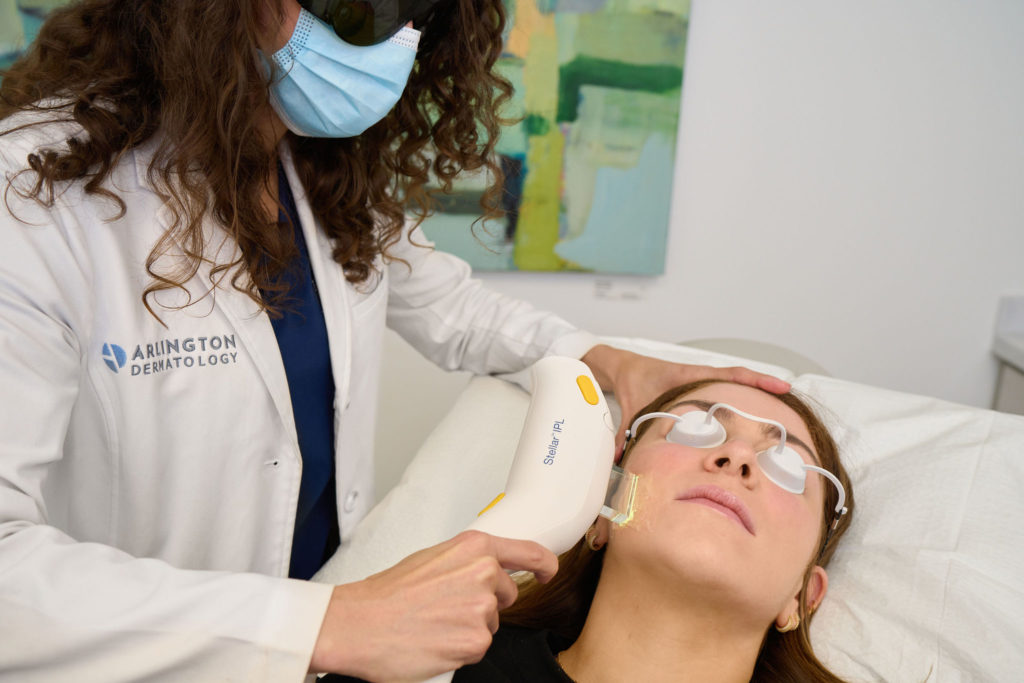
Before your IPL procedure, the treatment area is thoroughly cleansed and a topical gel or liquid is applied to help with the procedure and enhance your comfort. You’ll also wear protective eyewear throughout the treatment.
Light pulses are then directed at the skin. This is not painful, but many patients describe the sensation as similar to a rubber band snapping against the skin. IPL treatment sessions are typically completed in about 15-30 minutes but can be shorter or longer primarily dependent on the size of the treatment area.
What Should I Expect After IPL?
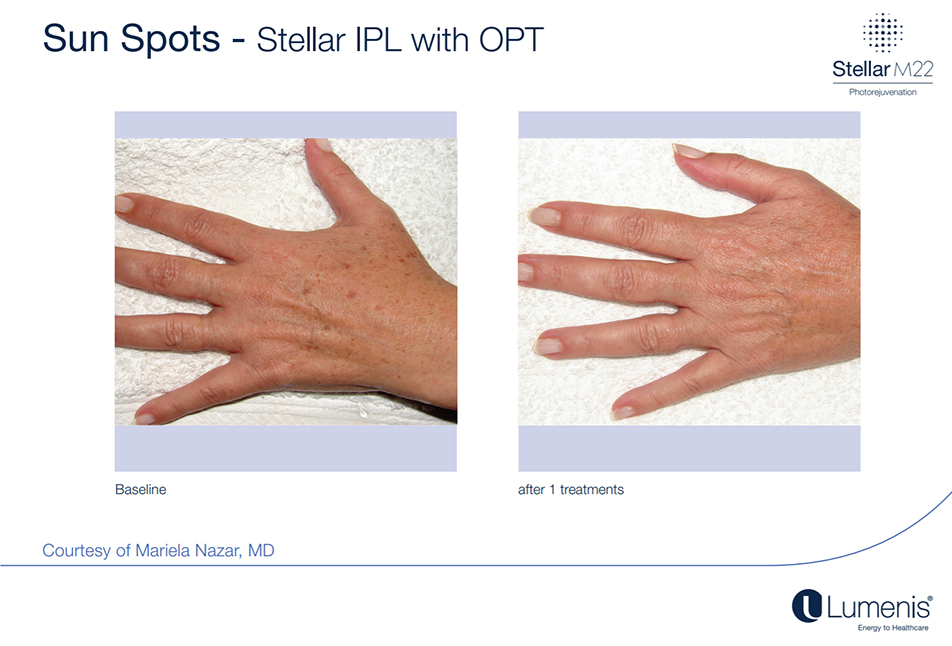
The downtime is minimal. In most cases, you can resume daily activities immediately.
The most common side effects are mild swelling which usually subsides within a few hours to a day and temporary darkening of brown spots which can have a “coffee ground” appearance for a few days. Any swelling is minimized with ice packs immediately after treatment. Darkened brown spots usually flake off in 1-2 weeks. Sometimes mild bruising can occur around the vascular lesions if treated.
After treatment, you should use a gentle cleanser, moisturizer, and sunscreen with SPF 30+ for the next few days. Makeup can be applied immediately after the procedure if desired.
For most patients, improvement can be seen in as little as 1 week. Your treatment plan will be tailored to your specific skin type and treatment goals. Usually, we recommend a course of 3-6 sessions spaced one month apart with a maintenance session every 6 months to 1 year. The best overall results to keep skin looking healthy and young are achieved with regular treatments.
Schedule a Consultation
Interested in reducing age spots, redness, and other signs of photodamage to achieve a more even skin tone and younger-looking skin? To find out if IPL is the most effective treatment option for you, call Arlington Dermatology to schedule an appointment or request your appointment online.
IPL FAQs
What can IPL treat?
IPL can be used to treat a variety of skin concerns including age spots, brown or dark spots, sun damage or sunspots, freckles, rosacea, fine blood vessels, facial redness, and unwanted hair, and it can also serve as a “photofacial” to encourage production of collagen as well as subtly smooth fine lines/wrinkles.
How many IPL treatments will I need?
We recommend a course of 3-6 sessions spaced one month apart with a maintenance session every 6 months to 1 year for optimal results.
Does IPL laser treatment hurt?
IPL is a non-invasive procedure where energy is delivered in the form of quick light pulses that improves the appearance of the skin. The treatment typically is slightly uncomfortable rather than painful.
What results can I expect from IPL?
IPL can eliminate unwanted skin pigment, redness, and broken capillaries to stimulate new collagen production.
Is there any downtime with IPL?
The downtime is minimal with mild redness over the treatment area for a few hours to a day or two. In most cases, you can resume daily activities immediately.
How long do IPL results last?
For most patients, improvement can be seen in as little as 1 week. Your treatment plan will be tailored to your specific skin type and treatment goals. The best overall results to keep skin looking healthy and young are achieved with regular treatments.
What is IPL treatment?
IPL, or Intense Pulsed Light, is a gentle non-invasive treatment option that can help patients eliminate unwanted pigmentation, redness, and broken capillaries with the added benefit of boosting collagen in the skin.
What areas can be treated with IPL?
IPL can be used to treat specific spots on the body, scars, full face, chest, neck, hands, arms, back, etc. A board-certified dermatologist will work with you to achieve your skin appearance goals in any area of the body, provided the treatment is safe in that area.
Is IPL treatment permanent?
IPL treatment results are technically not permanent, however, results may last for years after about 6-8 sessions. Results will vary depending on individual skin factors.
What should you avoid before IPL treatment?
Client should avoid sun exposure and self-tanning products two weeks prior to appointment. On the day of the appointment, patient should arrive with a clean face that is free of makeup or facial skincare products.
Will IPL treatment tighten skin?
While IPL treatment isn’t specifically made for skin tightening, it has been shown to boost collagen production which could improve of sagging skin. However, there are many other devices on the market which are more effective for sagging skin.
Can IPL treatment cause acne?
IPL treatment may cause acne flares in a few individuals, but is primarily known and proven to significantly improve discoloration caused by acne.
Does IPL treatment help with wrinkles?
IPL does not improve wrinkle lines. Botox, Fraxel, and microneedling are more effective at addressing wrinkles.
Can IPL treatment remove sunspots or age spots?
Yes, IPL (Intense Pulsed Light) treatments are very effective at reducing the appearance of sunspots, age spots, and other pigmentation irregularities caused by sun damage. The light energy targets melanin in the skin, breaking up dark pigment and revealing a more even complexion. Most patients see clearer, brighter skin after a series of treatments.
Is IPL safe for all skin types?
IPL is generally safest and most effective for lighter skin tones (Fitzpatrick skin types I–III). Individuals with darker skin tones may be at a higher risk for side effects like hyperpigmentation or hypopigmentation, so a consultation with a dermatologist is essential. Customized settings and careful skin assessment can help minimize risks and improve safety.
Can IPL be combined with other treatments?
Yes, IPL can be safely combined with other skin rejuvenation treatments such as chemical peels, microneedling, or laser resurfacing for more comprehensive results. Combining therapies allows us to address multiple skin concerns simultaneously—like pigmentation, texture, and collagen loss. Your provider will develop a personalized treatment plan to achieve your skincare goals.
Is IPL safe during pregnancy?
IPL treatments are not recommended during pregnancy, as there is limited research on the safety of cosmetic lasers and light-based treatments for pregnant women. Hormonal changes during pregnancy can also make the skin more sensitive or prone to pigmentation issues. It's safest to wait until after delivery to begin IPL therapy.
Does IPL help with rosacea or redness?
Yes, IPL is one of the most effective non-invasive treatments for rosacea and facial redness. It targets broken capillaries and dilated blood vessels under the skin’s surface, reducing inflammation and flushing over time. Multiple sessions may be needed to see a significant and long-lasting improvement.
Can IPL cause pigmentation changes?
In some cases, IPL may cause temporary changes in skin pigmentation, such as darkening or lightening of treated areas. These effects are more common in individuals with darker skin tones or those who have had recent sun exposure. Pre-treatment evaluation and proper aftercare help reduce the risk of unwanted pigment changes.
How do I prepare for my first IPL session?
Before your IPL treatment, avoid sun exposure, self-tanners, and retinoid products for at least two weeks. Come to your appointment with clean, makeup-free skin, and let your provider know about any medications or recent procedures. Following pre-treatment instructions will ensure the safest and most effective results.
Will I peel after IPL treatment?
Mild flaking or peeling is common as sunspots or pigmented lesions darken and naturally slough off over several days. This process is a sign that the treatment is working and the skin is regenerating. Most patients experience little to no discomfort during this phase.
How soon will I see results from IPL?
Many patients notice initial results, such as a brighter complexion and fading spots within 7–10 days after treatment. However, optimal results typically appear after a series of 3–6 sessions spaced a few weeks apart. Ongoing maintenance may be recommended for long-term skin clarity.