




What Causes Brown Spots?

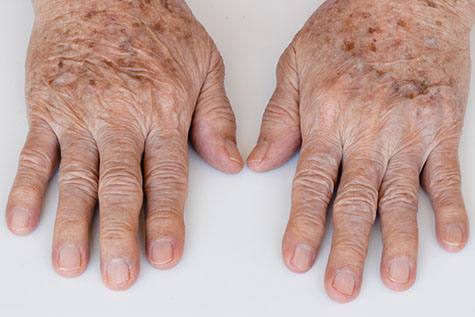
Brown spots can have several causes, ranging from sun-related pigmentation to certain rashes to benign skin growths. The most common causes for brown spots include:
- Excess sun exposure
- Genetic predisposition
What Types of Brown Spots Are There?
Some common examples of brown spots include:
- Age spot
- Sunspot
- Melasma
- Birthmark
- Mole
- Seborrheic keratosis
- Post-inflammatory hyperpigmentation
Who Gets Brown Spots?
It is possible for just about anyone to get brown spots regardless of skin type or skin color. Depending on your particular genetic background, you may be more susceptible to develop brown spots as you grow older. You may also be more likely to develop brown spots if you spend a significant amount of time outdoors or in the sun.
How Can I Prevent Brown Spots?
Because sun damage is a primary cause for brown spots, sun avoidance and diligent use of broad-spectrum sunscreen is an important way to prevent them. However, some types of brown spots, like birthmarks or moles, are difficult or impossible to avoid. Other types of brown spots may be left behind by prior inflammation in the skin such as post-inflammatory hyperpigmentation from acne.
Why Treat Brown Spots?
It is always advisable to have any brown spot of concern evaluated by a board-certified dermatologist to rule out any danger to your overall health. Many brown spots are benign and only require treatment if desired. Some patients consider brown spots to be a distraction from their overall appearance. Elimination of brown spots can lead to a more even skin tone and brighter complexion.

How Can I Treat Brown Spots?
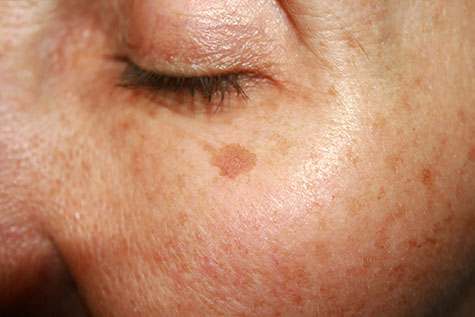
Several treatment options are available to lighten or remove brown spots. The best treatment option for you depends on factors like the cause of your brown spot, the size and location of the discoloration, your budget, and other considerations. At Arlington Dermatology, your dermatologist will recommend a customized treatment plan that will address your specific needs in a safe and effective manner.
Some common treatment options for brown spots include:
- Laser treatments
- IPL
- Chemical peels
- Lightening topical agents (ex. Hydroquinone)
- Cryotherapy
Frequently Asked Questions
What causes brown spots to appear on the skin?
Brown spots form when certain areas of the skin produce extra melanin (pigment). Common triggers include sun exposure, aging, inflammation (like acne), hormones, and genetics.
Are brown spots a sign of sun damage or aging?
Often, yes. Many brown spots—especially on the face, chest, and hands—are related to long-term sun exposure and naturally become more noticeable with age. However, hormones and skin irritation can also cause them.
How can I tell if a brown spot is harmless or something to worry about?
Most brown spots are benign, but warning signs include rapid growth, irregular borders, multiple colors, bleeding, itching, or changes in shape. If anything looks unusual compared to your other spots, have it checked by a dermatologist.
What are the most effective treatments for brown spots on the face?
Common treatments include:rnPrescription skin-lightening creamsrnChemical peelsrnLaser or light-based treatmentsrnMicroneedlingrnMedical-grade skincare (retinoids, vitamin C, exfoliants)rnThe best option depends on your skin type and the cause of the pigmentation.
Can laser treatments remove brown spots permanently?
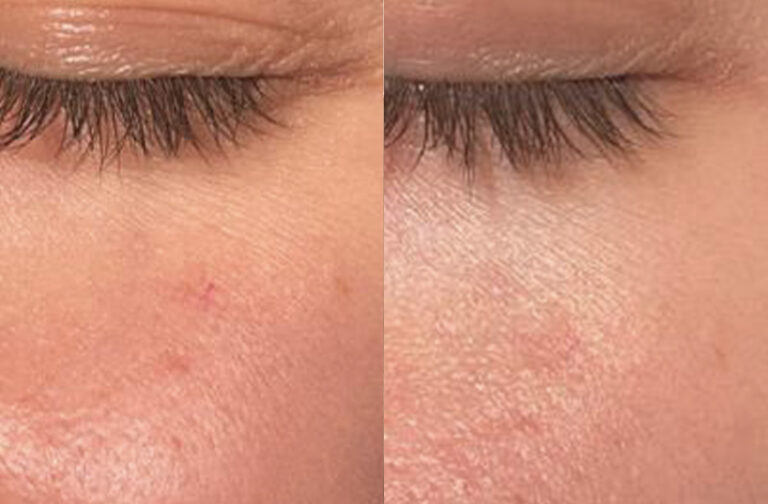
Laser treatments can significantly lighten or remove existing spots. However, new spots can form over time, especially with sun exposure. Good sun protection helps maintain results.
Do chemical peels or prescription creams help fade brown spots?
It depends on the cause of the brown spots. Both chemical peels and prescription creams can lighten melasma or post-inflammatory hyperpigmentation, but they are not as effective for solar lentigines or freckles. Lasers are the treatment of choice for lightening lentigines and freckles. Chemical peels exfoliate the top layers of the skin, while prescription creams (such as hydroquinone, retinoids, or other lighteners) help slow pigment production. Many patients benefit most from combining multiple treatments.
How long does it take to see results from brown spot treatment?
Results vary by treatment type.rnPrescription creams: 6–12 weeksrnChemical peels: 2–6 weeksrnLasers: improvement often seen within 1–2 sessionsrnConsistency and sun protection influence how quickly results appear.
Can sunscreen prevent new brown spots from forming?
Absolutely. Daily broad-spectrum sunscreen (SPF 30 or higher) is one of the most effective ways to prevent new pigmentation and protect results from treatment.
Are brown spots and melasma the same thing?
Not exactly. Melasma is a specific type of hyperpigmentation typically triggered by hormones (pregnancy, birth control, etc.) and sun exposure. Brown spots (sunspots, age spots) are usually caused by UV exposure and aging.
When should I see a dermatologist for brown spots?
See a dermatologist if a spot changes, looks suspicious, is difficult to diagnose, or if over-the-counter treatments aren’t helping. A dermatologist can confirm whether the spot is benign and recommend effective treatment.
Schedule an Appointment
If you are starting to notice brown spots that concern you, we are here at Arlington Dermatology to help you diagnose their cause and offer treatment. Our board-certified dermatologists will work with you to come up with a customized treatment plan that suits your goals and needs.
To schedule your appointment at Arlington Dermatology, please call our office or request an appointment online.