



What Is Microneedling and How Does It Work?
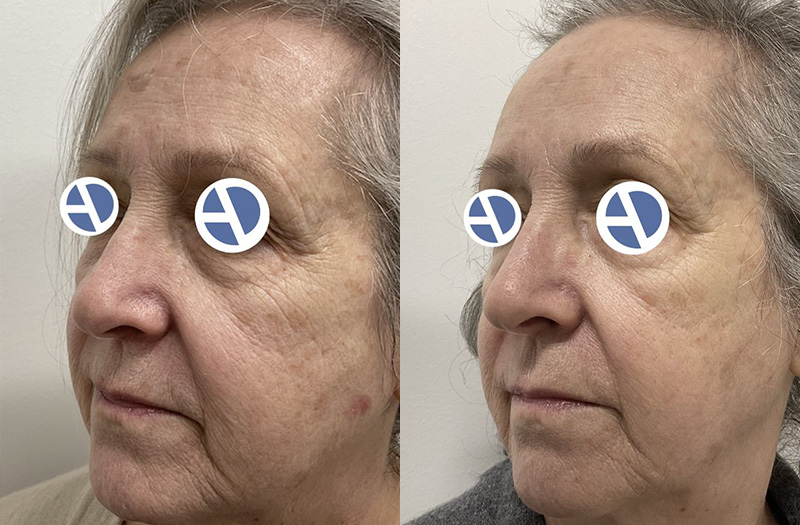
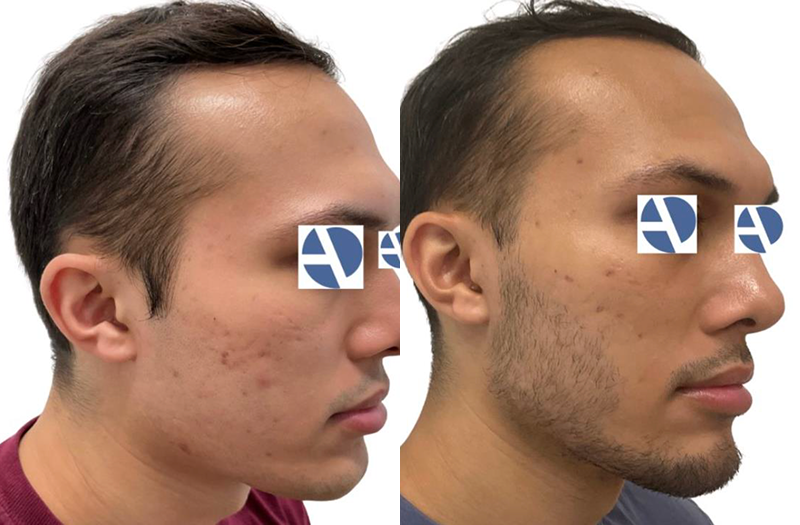
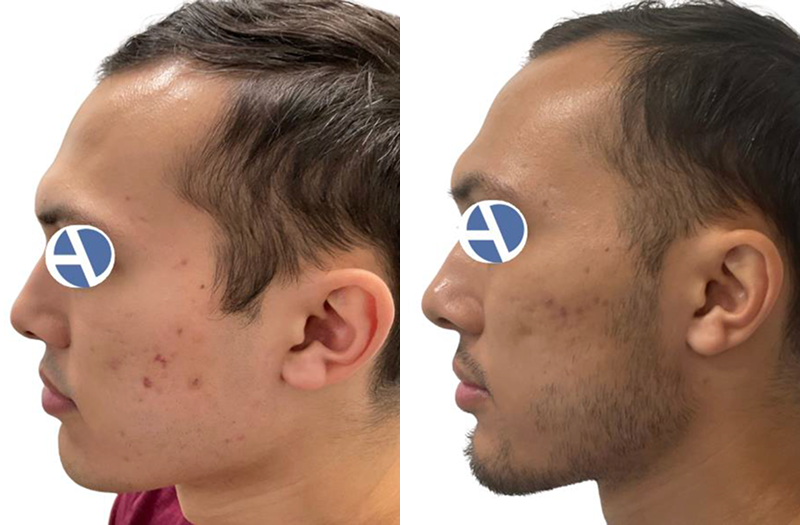
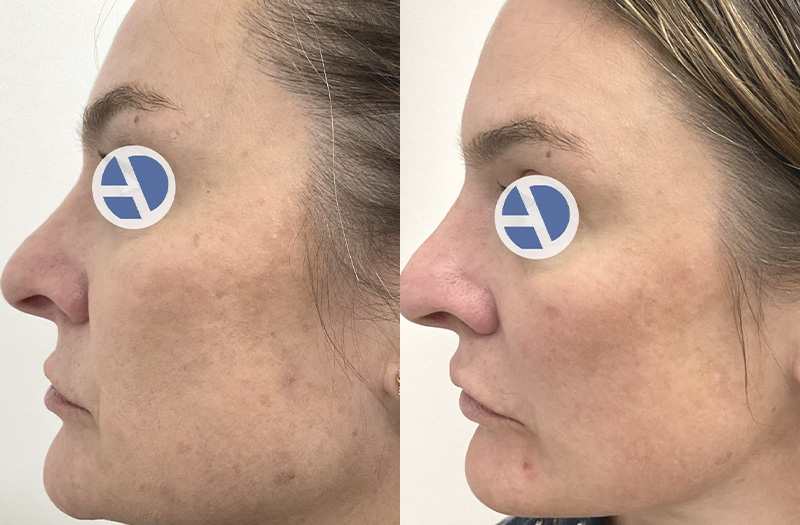
Microneedling is a minimally invasive non-surgical aesthetic procedure in which a device with ultra-fine needles punctures the skin to create a controlled skin injury. These tiny channels of fine needle injury stimulate the natural healing response of the skin, inducing new collagen and elastin production and attracting growth factors to the area. At the same time, serums and vitamins can be applied to these tiny microchannels to increase their absorption and efficacy in the skin. As a result, the skin is left firmer, smoother, and brighter.
Microneedling can be used to treat:
- Sun damaged skin
- Acne scars
- Fine lines and wrinkles
- Enlarged pores
- Dull skin
- Scars
- Stretch marks
- Skin rejuvenation and tightening
How Do I Prepare for Microneedling?
Before your microneedling procedure, your board-certified dermatologist will carefully evaluate your skin and health to determine if you are a good candidate. Prior to your microneedling appointment, you should avoid:
- Concurrent Accutane treatment
- Treatments or products that increase your skin’s sensitivity, such as exfoliants or retinoids for at least a week
- Dermal fillers to the area treated for at least 1 month
- Excess sun exposure for at least two weeks
- Waxing, depilatory creams, shaving, or electrolysis in the treatment area for at least a week
What Should I Expect with Microneedling?
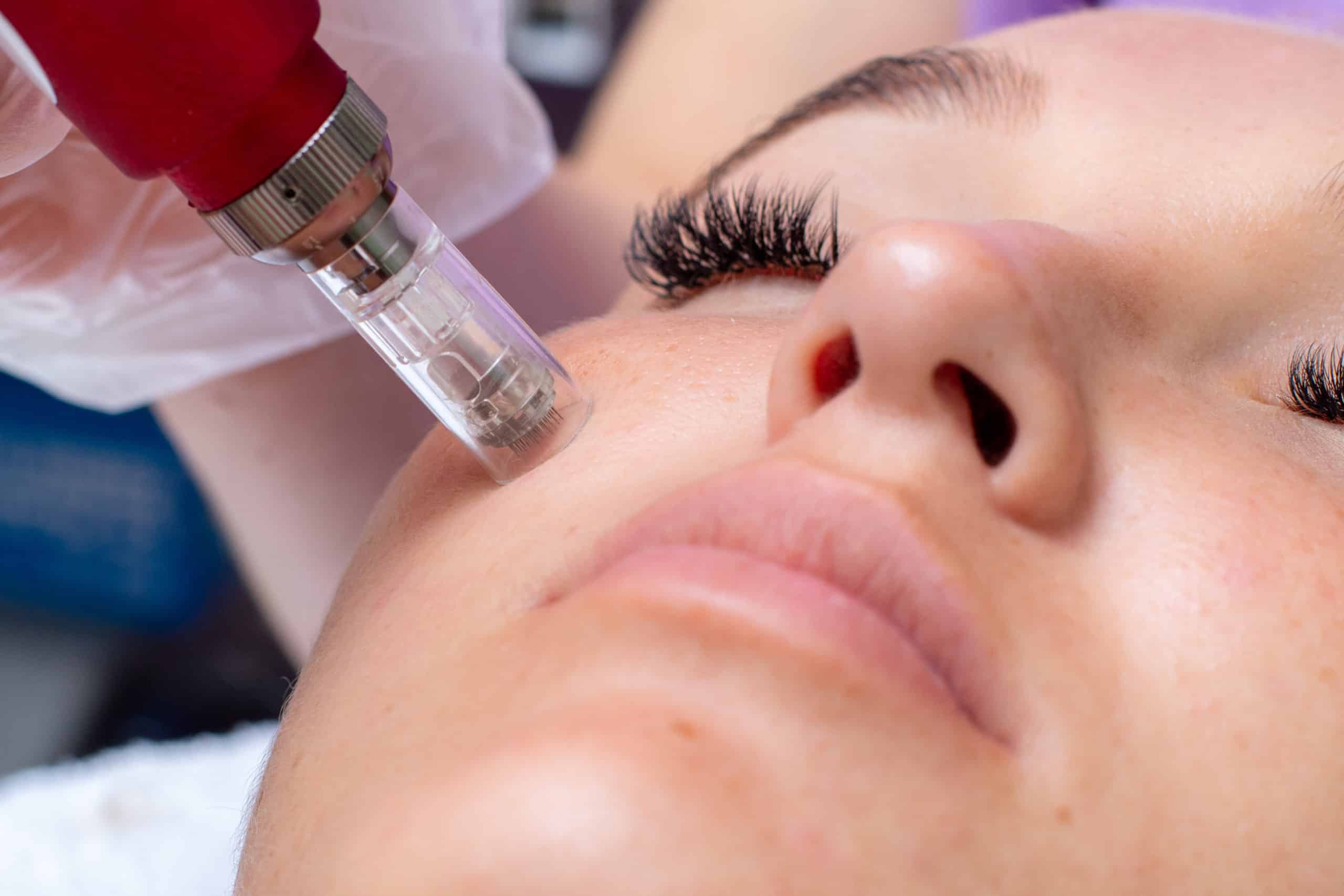
First, your dermatologist will apply a topical numbing agent to ensure your comfort throughout the microneedling procedure. Then, a handheld, pen-like tool is used to carefully and precisely “stamp” microneedles across the skin. The depth of the microneedling will be precisely controlled based on the treatment goal, indication, and area of the face. The microneedling procedure can typically be completed within 5 to 15 minutes depending on the treatment area and your specific needs.
What Should I Expect After Microneedling?
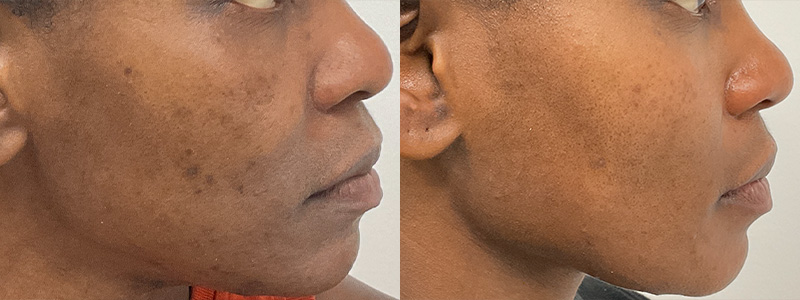
After microneedling, you can expect some pinkness, tightness, and mild sensitivity in the treatment area. Your skin should heal within about 24 hours after the treatment, but some residual pinkness may remain for about three days. Most patients will see an almost immediate improvement in the appearance of their skin, but the full effect of the procedure is most apparent after several months. We usually recommend a series of microneedling treatments separated by 1 month each with a few maintenance treatments a year to keep skin glowing and vibrant. The total amount of treatments ultimately depends on you and your unique treatment goals.
Schedule a Consultation
If you have cosmetic concerns such as acne scars, stretch marks, or signs of skin aging such as fine lines and wrinkles, microneedling may be a suitable solution for you. At Arlington Dermatology, you will meet with an experienced, board-certified dermatologist who can evaluate your concerns and develop a unique treatment plan that will be effective for your specific needs.
To schedule a consultation at Arlington Dermatology, please schedule a consultation or request your appointment online.
Microneedling FAQs
What does microneedling actually do?
Microneedling is a minimally invasive non-surgical aesthetic procedure in which a device with ultra-fine needles punctures the skin to create a controlled skin injury. These tiny channels of fine needle injury stimulate the natural healing response of the skin, inducing new collagen and elastin production and attracting growth factors to the area.
How long do microneedling results last?
Most patients will see an almost immediate improvement in the appearance of their skin, but the full effect of the procedure is most apparent after several months.
How often should you microneedle your face?
We usually recommend a series of 3-6 microneedling treatments separated by 1 month each.
Is microneedling worth it for wrinkles?
Yes! Microneedling can assist in treatment of acne scars, stretch marks, or signs of skin aging such as fine lines and wrinkles.
How do you maintain microneedling results?
We typically recommend a few maintenance treatments (2 to 4) a year to keep skin glowing and vibrant.
How often should you get microneedling?
We usually recommend a series of microneedling treatments separated by 1 month each with a few maintenance treatments a year to keep skin glowing and vibrant. The total amount of treatments ultimately depends on you and your unique treatment goals.
How long does microneedling take to look normal?
Your skin should heal within about 24 hours after the treatment, but some residual pinkness may remain for about three days.
What will my face look like after microneedling?
After microneedling, you can expect some pinkness, tightness, and mild sensitivity in the treatment area. Your skin may appear like a slight sunslight sunburn for about three days.
How long will my face hurt after microneedling?
Microneedling has a painless delivery and a very easy recovery.
Who are the best candidates for microneedling?
If you have skincare concerns that include scars, wrinkles, or hyperpigmentation, then you may be a candidate for microneedling.
How does microneedling compare to laser resurfacing for skin rejuvenation?
Microneedling and laser resurfacing both boost collagen, but microneedling rnis less invasive with minimal downtime. Laser treatments can offer more dramatic results rnbut carry a higher risk of pigmentation changes, especially for darker skin tones.
Can microneedling help fade acne scars that are years old?
Yes, microneedling can rnimprove the appearance of old acne scars by stimulating collagen production and rnremodeling damaged skin tissue. Multiple sessions likely will be needed for optimal results.
Is there a difference between in-office microneedling and at-home rollers?
In-office microneedling uses medical-grade devices that penetrate deeper and deliver more rnnoticeable results. At-home rollers are less effective and carry a higher risk of improper rnuse or infection if not sanitized correctly.
How does microneedling affect darker skin tones or melanin-rich skin?
Microneedling is rngenerally safe for darker skin tones because it doesn't use heat, which lowers the risk of rnhyperpigmentation. It's a preferred treatment over lasers for melanin-rich skin when done rnby a trained professional.
Can microneedling help with stretch marks or body scars, not just facial skin?
Yes, rnmicroneedling can be used on the body to treat stretch marks, surgical scars, and other rntextural concerns. Results may take longer than facial treatments but can be effective rnwith consistent sessions.
How soon after filler or Botox can microneedling be performed safely?
Microneedling is rnusually safe 1–2 weeks after Botox or filler injections, depending on the treatment area. rnAlways consult your provider to avoid disrupting recently placed injectables.
Why is PRP often combined with microneedling, and what extra benefits does it add?
PRP (platelet-rich plasma) enhances microneedling results by delivering growth rnfactors that accelerate healing and boost collagen. It can improve texture, tone, and rnrecovery time.
Can microneedling be combined with chemical peels or other resurfacing treatments?
Yes, microneedling can be combined with chemical peels or other treatments, but timing and skin sensitivity are important. Providers often space them out to minimize irritation and maximize results.
What ingredients or products should I avoid right after microneedling to prevent irritation?
Avoid retinoids, acids (like glycolic or salicylic acid), exfoliants, and fragranceheavy products for several days after microneedling. Stick to gentle, hydrating skincare recommended by your provider