





How Does Sun Damage Present?
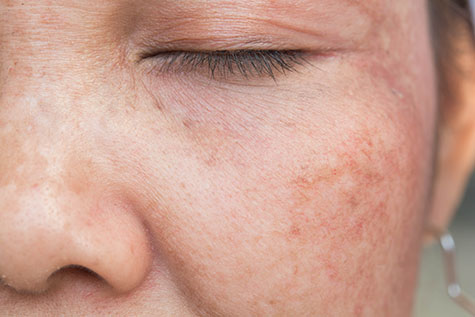
There are many possible effects of sun damage, and you may see multiple signs of this issue simultaneously on your skin. Some signs of benign sun damage include:
- Age spots/brown spots
- Wrinkles and fine lines
- Thinning skin
- Coarse skin texture
- Skin sagging or laxity
- Enlarged pores
- Facial redness and broken capillaries
- Moles
In more serious cases, sun damage can escalate from cosmetic concerns to skin cancer. If you notice potential signs of skin cancer, such as an irregular appearing mole or a painful red spot, or crusty skin lesion, it is important to schedule an appointment as soon as possible with your dermatologist for evaluation and possible skin biopsy if necessary.
Who Gets Sun Damage?
Everyone can be affected by sun damage. Regardless of your skin tone, it is important to protect your skin from UV rays for your health. However, those with fair skin are more likely to see earlier or more severe aging signs like wrinkles or sunspots due to sun damage.
Additionally, if you have a family history of prominent sun damage or skin cancer, you may be genetically predisposed to developing sun damage more quickly and more prominently than others.
How Can I Prevent Sun Damage?
Aside from limiting your time spent in direct sunlight overall, you can do the following to prevent sun damage:
- Wear SPF 30+ broad-spectrum sunscreen regularly
- Cover your head with a wide-brimmed hat and eyes with sunglasses while outdoors
- Cover your skin with protective clothing such as long-sleeved shirts and long pants
- Reapply sunscreen as necessary throughout the day
- Avoid sun tanning
- Avoid tanning beds
Why Treat Sun Damage?
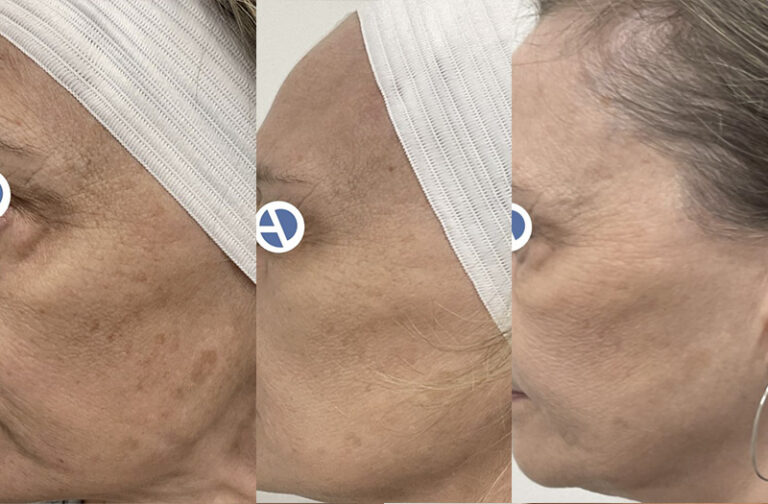
If you notice signs of sun damage, you should have a board-certified dermatologist examine your skin to make sure there is nothing concerning your overall health. If your skin appears healthy, you may then choose to treat sun damage for cosmetic reasons. Sun damage can cause advanced aging signs, like wrinkles and discoloration, that can cause you to look older than you are. There are several treatment options to address sun damage-related skin changes that can help restore and refresh your appearance.
How Can I Treat Sun Damage?
The best treatment option for your sun damage depends on factors such as the severity of the sun damage, the specific concerns you wish to treat, and your overall skin tone, among many other considerations. At Arlington Dermatology, we develop treatment plans that are tailored to each patient’s specific desires.
Some treatment options to address sun damage include:
- Laser treatments
- IPL
- Chemical peels
- Microneedling
- Neuromodulator (Botox) injections
- Dermal filler injections
- Select skin products

Frequently Asked Questions about Sun Damage
What are the most common signs of sun-damaged skin?
Can sun damage cause premature aging?
How does UV light damage skin cells over time?
Are freckles and sun spots signs of sun damage?
Can daily sunscreen use help reverse sun damage?
What professional treatments are available for sun-damaged skin?
Does sun damage increase my risk of skin cancer?
How can I protect my skin from further sun damage?
Is sun damage more severe on fair skin types?
Can sun damage occur even on cloudy days or indoors?
Schedule an Appointment
Interested in restoring your look after sun damage? Schedule an appointment with an experienced, board-certified dermatologist at Arlington Dermatology. We offer tailored treatment plans to help patients look and feel their best.
To schedule an appointment at Arlington Dermatology, please call our office or request an appointment online.