

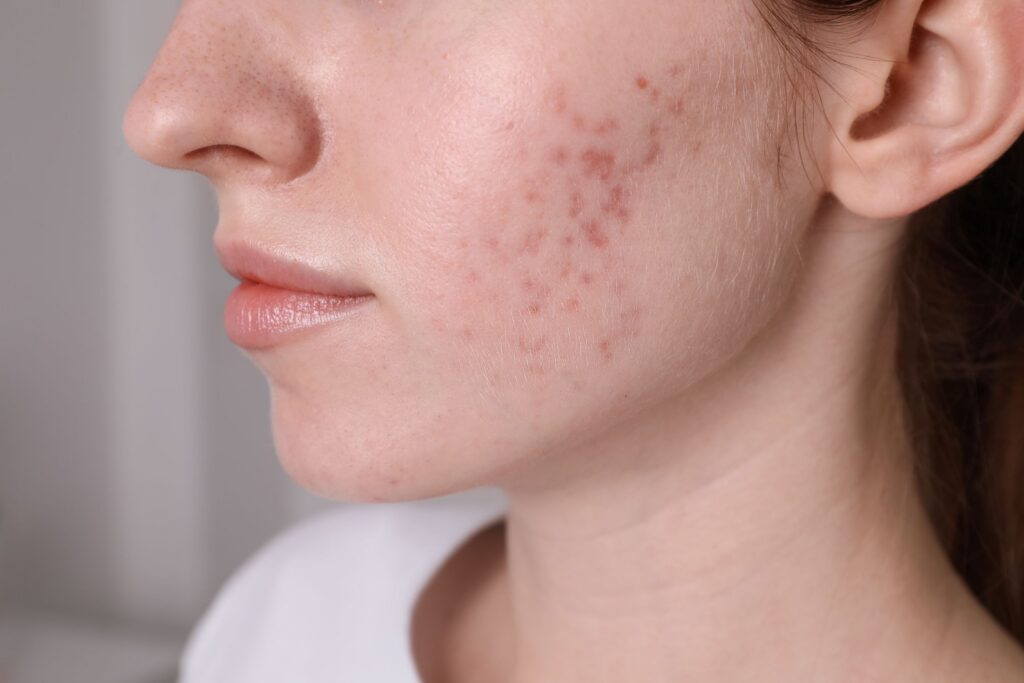
Breaking out in your 30s or 40s can feel especially frustrating. You may be juggling a career, family, and a busy life in Washington, DC, yet, still dealing with the same skin issues you thought you left behind years ago. The reality is that adult acne is very common, especially among women, and it often behaves differently than the breakouts you had as a teenager.
The encouraging news is that adult acne is highly treatable. With expert guidance and a plan tailored to your skin, most people can see real, lasting improvement. At Arlington Dermatology, we help patients of all ages manage acne with thoughtful, evidence-based care rather than trial and error.
Why Adults Still Get Acne
Acne happens when pores become clogged with oil, dead skin cells, and bacteria. That basic process is the same at any age, but the reasons it shows up in adulthood are often more complex.
Hormones are one of the biggest drivers. Even small shifts in hormones can increase oil production and trigger deep, tender breakouts along the jawline, chin, and neck. Many women notice flares around their menstrual cycle, during pregnancy, after starting or stopping birth control, or in the years leading up to menopause.
Other common contributors include chronic stress, certain medications, and skincare or cosmetics that clog pores. Genetics also plays a role, so if acne runs in your family, you may be more prone to it as an adult. These factors often overlap, which is why simply buying a new cleanser rarely fixes the problem on its own.
Why Over-the-Counter Products Often Fall Short
Most drugstore acne products are designed for teenage skin, which tends to be oilier and more resilient. Adult skin is often drier and more sensitive, especially when you are also using anti-aging products. Strong scrubs, alcohol based toners, and multiple spot treatments can damage the skin barrier, leading to redness, irritation, and even more breakouts.
Another common issue is “product hopping,” trying a new trend every few weeks. Acne treatments usually need at least 12weeks of consistent use before you can judge whether they are helping. When you switch too often or layer too many active ingredients, you may end up with an inflamed, unhappy complexion that never gets the chance to truly improve.
If you have given over-the-counter options a fair try and your acne is still persistent, painful, or leaving marks, it is a good sign that professional help could make a difference.
Dermatology Treatments That Actually Work
Adult acne responds best to a personalized plan that considers your skin type, hormones, lifestyle, and long-term goals. A dermatologist can combine different tools in a way that makes sense for your specific situation.
Prescription topical treatments are often the foundation. These may include retinoids to keep pores clear and improve texture, medicated washes or gels to reduce bacteria, and anti-inflammatory creams to calm redness. Using the right products in the right order helps your skin tolerate treatment while still making progress.
For moderate or more stubborn acne, oral medications may be recommended. These can target deeper inflammation or hormonal triggers that topical products alone cannot fully control. Your dermatologist will review your medical history and work with you to choose options that are safe and realistic for your life.
In-office treatments can further support your results. Depending on your needs, options like gentle chemical peels or microneedling may help reduce clogged pores, refine texture, and encourage healthier skin renewal. These procedures are typically used alongside medical therapy, not instead of it.
Treating Marks, Dark Spots, and Scars
Adult acne often leaves behind lingering issues even after the active breakouts calm down. You might notice flat brown spots, persistent redness, or uneven texture from previous lesions. The good news is that these are also treatable, though they usually require a different strategy than active acne.
Once your skin is breaking out less, your dermatologist can suggest treatments aimed specifically at discoloration and scars. This might include targeted topical products, microneedling, or laser-based procedures to stimulate collagen and smooth the surface. Addressing acne early is still the best way to prevent scars, but it is rarely “too late” to make improvements in how your skin looks and feels.
When To See A Dermatologist
You do not need to wait until your acne is severe to ask for help. It is worth seeing a dermatologist if:
- Breakouts are frequent or painful
- Over-the-counter products have not helped after several months
- Pimples are leaving dark spots or scars
- Acne is affecting your confidence or daily life
Many adults are surprised by how much better their skin feels once they have a clear plan and someone guiding them through the process.
Clearer Skin Starts With The Right Care
Adult acne can be discouraging, but you are not stuck with it. With the right combination of medical treatment, skincare, and follow-up, most people see meaningful improvement in both their complexion and their confidence.
If you are ready for a more targeted, professional approach, you can schedule an appointment with Arlington Dermatology through the online contact form on their website. A personalized visit with a dermatologist is the best first step toward calmer, clearer, and healthier skin that reflects the way you want to feel at this stage of life.