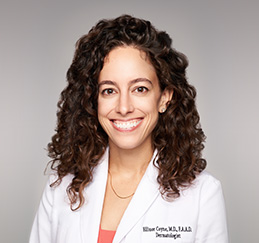
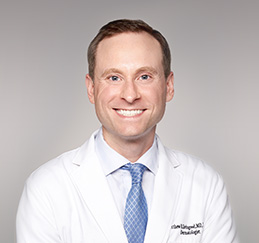


Hyperhidrosis treatment in Arlington is more in demand than many people realize, because excessive sweating is far more common than the condition gets credit for. If you find yourself soaking through shirts before noon, avoiding handshakes, or planning outfits around sweat concealment, you may be dealing with hyperhidrosis rather than ordinary perspiration. This guide is designed for patients who are in research mode: wondering what causes this condition, what options exist, and whether a board-certified dermatologist can actually help. At Arlington Dermatology, founded by Drs. Ellinor Coyne and Matthew Livingood, we treat every patient as we would want our own family treated. If any of this sounds familiar, we encourage you to call for details and schedule a consultation.
Ready to talk to a provider? Contact Arlington Dermatology or call for details to get started.
What Is Hyperhidrosis and What Causes It?
Hyperhidrosis is a medical condition characterized by sweating that exceeds what the body needs for temperature regulation. It is not simply reacting to summer heat or physical exertion. It is a physiological overactivity of the eccrine sweat glands, and it affects an estimated 4.8 percent of Americans, according to published dermatology literature.
Primary vs. Secondary Hyperhidrosis
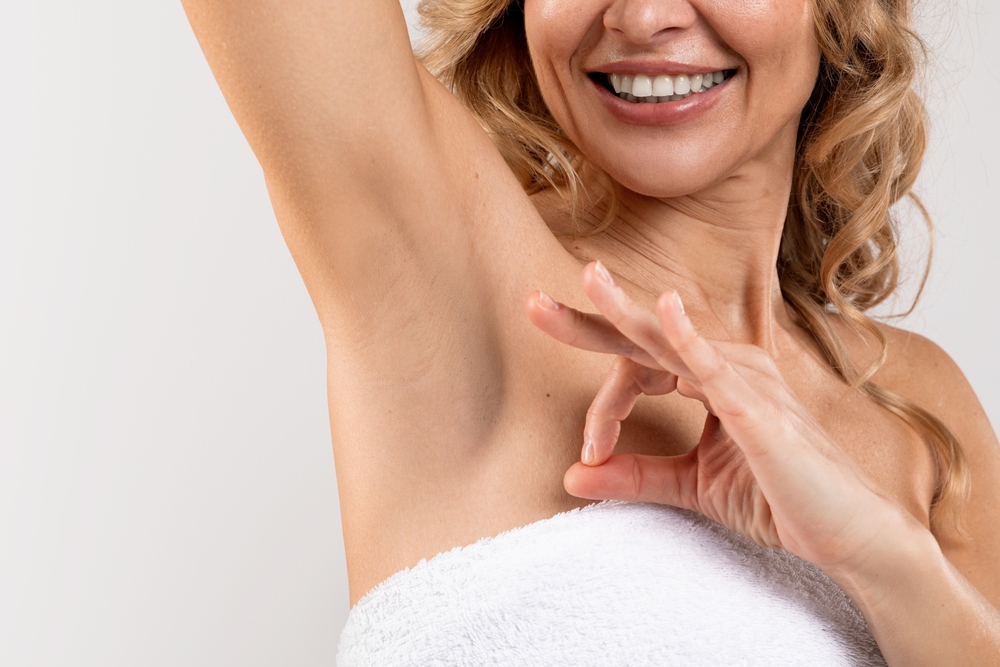
Dermatologists classify excessive sweating into two broad categories. Primary hyperhidrosis has no identifiable underlying cause and tends to affect specific zones: the underarms (axillary), the palms (palmar), the soles of the feet (plantar), or the face and scalp. It often begins in adolescence and frequently has a genetic component. Secondary hyperhidrosis is triggered by an underlying condition or medication, which is why a thorough evaluation by a board-certified dermatologist matters so much before pursuing treatment.
Many patients who come to us have spent years assuming their sweating was just a personality quirk or a fitness problem. In our practice, we find that getting an accurate diagnosis is genuinely life-changing for these patients. A proper workup helps distinguish primary hyperhidrosis from conditions that may need a different course of care. If you are curious about how skin conditions overlap and interact, our overview of dermatology conditions and diagnoses near Arlington, VA offers a helpful broader context.
Sweating that occurs during sleep, sweating accompanied by unexplained weight loss, or sweating that began suddenly in adulthood warrants particular attention, as these patterns may suggest a secondary cause that should be investigated before any cosmetic or procedural intervention is considered.
Hyperhidrosis Treatment Options: A Clinical Overview
The good news for patients researching hyperhidrosis treatment in Arlington is that there are several evidence-based options available, ranging from topical therapies to in-office procedures. Treatment selection depends on the severity of the condition, the areas affected, prior treatment history, and each patient’s overall health profile.
Prescription-Strength Antiperspirants and Topicals
For mild to moderate hyperhidrosis, clinical-strength aluminum chloride antiperspirants or prescription topical anticholinergics may help reduce sweating significantly. These are typically the first line of care and can be effective for axillary hyperhidrosis when used consistently. Results vary by individual, and some patients find topicals insufficient for their level of sweating.
Botulinum Toxin Injections for Excessive Sweating
Botox® (onabotulinumtoxinA) is FDA-approved for the treatment of severe primary axillary hyperhidrosis in adults when topical agents have not been adequate. Botulinum toxin injections work by temporarily blocking the nerve signals that stimulate sweat glands. Most patients find this approach well-tolerated, with effects that may last several months before a repeat treatment is needed. At Arlington Dermatology, our providers have extensive experience administering Botox® and Dysport® for both cosmetic and medical indications, including excessive sweating treatment near Arlington, VA. Individual results may vary. Please note that Botox® and Dysport® treatments for excessive sweating are billed as cosmetic services, which means they are paid out of pocket rather than through insurance.
Additional In-Office and Systemic Options
Iontophoresis, oral anticholinergic medications, and microwave thermolysis (miraDry) are additional modalities a dermatologist may discuss depending on the treatment area and severity. Each carries its own candidacy criteria, benefit profile, and consideration set. A thorough in-person evaluation is the only reliable way to determine which path makes sense for a given patient.
Why Seeing a Board-Certified Dermatologist Matters for This Condition
Hyperhidrosis treatment in Arlington is available from multiple types of providers, but the clinical setting matters. Because excessive sweating can sometimes signal an underlying medical condition, beginning your care with a board-certified dermatologist provides an important layer of diagnostic oversight that med-spa or non-physician-led settings may not offer.
The Intersection of Medical and Cosmetic Dermatology
Hyperhidrosis sits at the intersection of medical and cosmetic dermatology. It is a real, diagnosable condition that also responds to treatments more commonly associated with cosmetic practice, such as botulinum toxin. This overlap is exactly where a full-spectrum practice like Arlington Dermatology provides distinct value: patients do not need to go elsewhere for any part of their skin care journey. During your visit, your provider may also note other skin concerns worth monitoring, whether related to skin infections near Arlington, VA, which can sometimes develop in persistently moist skin folds, or other inflammatory conditions.
Patients who experience excessive sweating alongside skin redness, rash, or irritation may benefit from our broader medical dermatology services. Our team regularly evaluates and treats overlapping conditions, including rash diagnosis and treatment near Arlington, VA, which can sometimes co-occur with hyperhidrosis due to chronic skin moisture and friction.
A comprehensive skin exam also provides an opportunity to discuss any other concerns you may have been putting off, from mole checks to concerns about skin aging. Caring for the whole patient, not just the presenting complaint, reflects the neighborly, community-rooted approach that Drs. Coyne and Livingood built this practice around.
Why Choose Arlington Dermatology in Arlington for Hyperhidrosis Treatment?
Arlington Dermatology was founded by two board-certified dermatologists, Dr. Ellinor Coyne and Dr. Matthew Livingood, both MDs with deep roots in the DC area. They built this practice specifically to serve their own community with the standard of care they would want for their own families. That foundation shapes every patient interaction.
Our multi-provider team includes two board-certified MDs, two certified PA-Cs, and a licensed aesthetician, which means greater scheduling availability and a broader range of expertise under one roof. We offer online scheduling to reduce friction for busy Arlington and DC-area patients, and we maintain an active specials program on cosmetic treatments for established patients. Meet our full team at Arlington Dermatology to learn more about who will be caring for you.
Frequently Asked Questions About Hyperhidrosis Treatment in Arlington
How do I know if I have hyperhidrosis or just sweat a lot normally?
The distinguishing feature of hyperhidrosis is sweating that occurs independent of heat or exercise and that interferes with daily activities. If you regularly avoid social situations, change clothing multiple times a day, or find that sweating disrupts your work or personal life, that level of impact suggests a clinical evaluation is worthwhile. A board-certified dermatologist can help clarify whether what you are experiencing meets diagnostic criteria. Individual presentations vary considerably.
Is Botox for sweating the same as Botox for wrinkles?
The medication is the same, but the indication and injection technique are different. Botox® (onabotulinumtoxinA) is FDA-approved specifically for severe primary axillary hyperhidrosis in adults. When used for this purpose, it is injected intradermally across the treatment zone to temporarily block sweat gland nerve signals, rather than targeting muscle movement as it does for cosmetic purposes. Your provider will explain what to expect based on the area being treated.
How long do results from hyperhidrosis treatment typically last?
For botulinum toxin treatment of axillary hyperhidrosis, published clinical data suggests effects may last approximately four to fourteen months, though individual results vary. Topical treatments require ongoing consistent use. Treatment plans are personalized at Arlington Dermatology based on how each patient responds over time. Your provider will discuss realistic expectations and follow-up timing during your initial consultation so you can plan accordingly.
Can children or teenagers be treated for hyperhidrosis?
Hyperhidrosis frequently begins in adolescence, and younger patients can be significantly affected socially and emotionally. Treatment options for pediatric and adolescent patients may differ from those used in adults, and candidacy is assessed individually. Arlington Dermatology offers pediatric dermatology care near Arlington, VA, and our providers are experienced in evaluating skin conditions across age groups. A parent or guardian should accompany minors to consultations so the full clinical picture and treatment options can be discussed together.
Contact Us Today
If you are ready to explore hyperhidrosis treatment in Arlington with a team of board-certified dermatologists who genuinely care about this community, Arlington Dermatology is here to help. Schedule your consultation online or call today for details. We serve patients throughout Arlington, the DC area, McLean, and Alexandria, and we look forward to meeting you.