




What is Skin Cancer Excision?
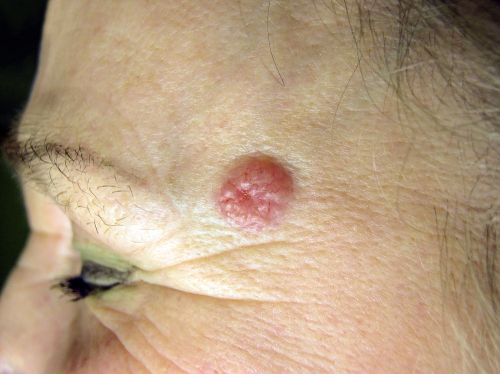
Skin cancer excision is a treatment option in which the cancerous cells are removed using a surgical blade, and stitches are placed to close the wound.
What Types of Skin Cancer Can Excision Treat?
Excision can be used to treat most types of skin cancer, including (but not limited to):
How Do I Prepare for Skin Cancer Excision?
Before your skin cancer excision, you should:
- Choose a time for the excision after which you can avoid rigorous athletic activity for two weeks
- Clear your schedule for a few hours for the excision procedure, as it can be difficult to predict how long excision will take; however, you can expect to resume normal activity the day of the procedure
- Avoid shaving, waxing, or otherwise removing hair in the area
What Should I Expect With Skin Cancer Excision?
During skin cancer excision, the area is numbed with a local anesthetic to maintain your comfort. Once the skin is numbed, your dermatologist will cut the cancerous skin cells out, as well as a small amount of surrounding healthy cells to ensure that all of the skin cancer is removed. When this is complete, your dermatologist will stitch the skin together.
What Should I Expect After Skin Cancer Excision?
After your skin cancer excision, a bandage will be placed over the area. You should leave this in place and keep it dry according to your dermatologist’s directions—typically for 12-24 hours. If you experience any mild discomfort, you can take over-the-counter pain medication such as ibuprofen or acetaminophen. Your dermatologist may also advise you to apply an antibiotic ointment to the excision site in certain cases. You should not have trouble going about your normal routine but may wish to avoid rigorous exercise or athletic activities for about two weeks after your excision.
Frequently Asked Questions
What is skin cancer excision and how does it work?
When is excision recommended for treating skin cancer?
How long does it take to heal after skin cancer excision?
Will I have a scar after skin cancer removal?
What can I expect during the skin cancer excision procedure?
What follow-up care is needed after skin cancer excision?
How do I know if my skin cancer has been fully removed?
What can I do to prevent future skin cancers after excision?
Schedule an Appointment
If you are diagnosed with skin cancer, you should schedule treatment with your dermatologist as soon as possible. At Arlington Dermatology, our board-certified dermatologists will create the most effective, evidence based treatment plan for you, which may include excision.
To schedule your appointment at Arlington Dermatology, please call our office or contact us through our online form.