
Botox Neuromodulator: How It Works and What to Expect
If you have been researching Botox, you are taking a smart first step before treatment. Neuromodulator treatments are among the most frequently performed cosmetic procedures in dermatology, and for good reason: when administered by an experienced, board-certified provider, they offer a well-tolerated way to address dynamic facial lines and help restore a refreshed, more rested appearance. This page is designed to give you an honest, clinically grounded look at how the Botox neuromodulator works, what the treatment process involves, and what realistic expectations look like. Whether you are considering your first treatment or simply want to understand your options before scheduling a consultation, we hope this resource helps. To speak directly with our team, call us for details.
Contact Arlington Dermatology to schedule a consultation and take the first step toward a personalized skin rejuvenation plan.
How Botox Neuromodulator Works: The Science Explained
The term “neuromodulator” refers to a family of injectable treatments derived from botulinum toxin type A. These FDA-approved formulations work by temporarily interrupting the nerve signals that tell specific facial muscles to contract. When those muscles relax, the overlying skin smooths, which may help reduce the appearance of dynamic lines, including forehead creases, crow’s feet around the eyes, and the vertical lines between the brows known as glabellar lines.
Botox vs. Dysport: Understanding Your Options
Botox and Dysport are both botulinum toxin type A neuromodulators, though they differ in their molecular structure and diffusion characteristics. Dysport tends to spread slightly more from the injection site, which some providers find advantageous for larger treatment areas. Botox, by contrast, stays more localized, which can offer greater precision in smaller zones. Both are FDA-approved for specific indications, and both are offered at our Arlington dermatology practice. During a consultation, your provider will discuss which formulation may be the better fit for your anatomy and treatment goals.
It is worth noting that neuromodulators address dynamic lines, meaning lines formed by repeated muscle movement. For concerns related to volume loss, skin texture, or redness, additional treatments may be more appropriate. Our team can evaluate skin aging and facial concerns comprehensively so you understand every option available to you.
What to Expect Before, During, and After Your Botox Neuromodulator Treatment
Understanding the full treatment experience helps you prepare thoughtfully and set realistic expectations. Individual results may vary, and a qualified provider consultation is the appropriate place to assess your specific candidacy.
Before Your Appointment
Your provider will review your medical history, discuss your aesthetic goals, and assess your facial anatomy. It is generally advised to avoid blood-thinning medications and supplements such as aspirin, ibuprofen, and fish oil for a period before treatment, as these may increase bruising risk. Your provider will give you specific pre-treatment guidance at your consultation.
During the Procedure
Treatment typically takes between 10 and 20 minutes. A fine-gauge needle is used to place small amounts of the neuromodulator into targeted muscles. Most patients find the procedure well-tolerated; some describe a brief, mild pinching sensation at each injection site. No anesthesia is required for most patients, though a topical numbing cream is available if preferred.
After Your Treatment
Most patients return to their normal daily activities following the appointment, with minimal downtime reported by most individuals. Some temporary redness, mild swelling, or small raised areas at injection sites may appear, typically resolving within a few hours. Results generally begin to become visible within three to seven days, with full effect often apparent around two weeks post-treatment. Individual results may vary. Maintenance appointments are typically recommended every three to four months to sustain results over time. If you experience concerns following treatment, our team is available to support you.
Beyond Cosmetic Use: Additional Applications of Botox Neuromodulator
While most patients associate neuromodulators with cosmetic skin rejuvenation, Botox neuromodulator treatments have a number of FDA-approved medical applications that are well within the scope of a full-spectrum dermatology practice.
Hyperhidrosis Treatment
One of the most clinically meaningful non-cosmetic uses is the treatment of primary axillary hyperhidrosis, or excessive underarm sweating. Botox is FDA-approved for this indication when topical treatments have not provided adequate relief. By temporarily blocking the nerve signals that activate sweat glands, neuromodulator injections may significantly reduce sweating in the treated area. Patients dealing with this condition can learn more through our resource on excessive sweating treatments near Arlington, VA.
Scalp and Hairline Applications
Some patients inquire about neuromodulator use along the hairline for the reduction of forehead sweat, a growing area of interest, particularly among active individuals. While not the most common application, it illustrates the breadth of ways in which Botox may serve patients with specific functional concerns alongside cosmetic ones.
The Value of a Dermatologist-Led Practice
Because our practice offers both medical and cosmetic dermatology under one roof, providers who administer neuromodulators also have deep experience assessing skin health more broadly. Patients presenting for cosmetic consultations benefit from that broader clinical lens. For example, a provider may notice a skin change worth evaluating further and can refer internally rather than sending you elsewhere. Our team routinely addresses redness and broken blood vessel concerns alongside cosmetic rejuvenation, and we are experienced in evaluating skin cancer concerns for Arlington, VA patients as a core part of comprehensive dermatologic care.
Why Choose Our Arlington, VA Dermatology Practice for Botox Neuromodulator?
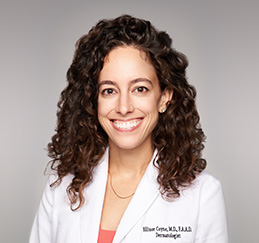
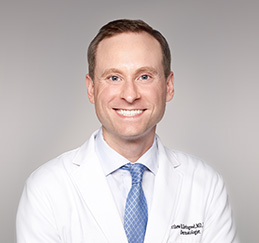
Our practice was founded by two board-certified dermatologists, Dr. Ellinor Coyne and Dr. Matthew Livingood, both MDs with deep roots in the DC area. They built this practice to serve their own community with the level of care they would want for their own families. That foundation matters when you are choosing who administers your Botox neuromodulator treatment. Our clinical team also includes Katherine Mahdavi, PA-C. This depth of expertise means more scheduling availability without any compromise in clinical rigor.
We offer Botox and Dysport as part of a full-spectrum cosmetic and medical dermatology practice, with active specials and a genuine commitment to long-term patient relationships. Arlington, VA, patients and those traveling from McLean, DC, and Alexandria are welcome. Call us for details to get started.
Frequently Asked Questions About Botox Neuromodulator
How long does a Botox neuromodulator treatment last?
Results from a Botox neuromodulator treatment typically last between three and four months for most patients, though duration can vary based on factors such as the treatment area, the dose used, individual metabolism, and how often you have received prior treatments. Some patients who maintain consistent appointment schedules report that results may gradually extend over time. Individual results may vary, and your provider can offer a more personalized estimate during your consultation.
Am I a good candidate for Botox neuromodulator?
Most adults in good overall health who have visible dynamic facial lines, meaning lines that appear or deepen with facial expression, are reasonable candidates for neuromodulator treatment. It is generally not recommended during pregnancy or breastfeeding. Certain neuromuscular conditions may also affect candidacy. The only way to confirm whether this treatment is right for you is through an in-person consultation with a qualified dermatology provider who can review your health history thoroughly.
Does Botox look natural?
When administered by an experienced, board-certified provider, Botox is intended to produce a subtle, refreshed result rather than an overdone appearance. The goal in our practice is to preserve your natural facial expressions while softening the lines that create a tired or tense look at rest. Outcome depends significantly on provider technique, precise placement, and appropriate dosing, which is why choosing a clinically credentialed team matters. Individual results may vary.
Is there anything I should avoid after my Botox treatment?
Following treatment, most providers advise avoiding strenuous exercise, lying flat, and touching or rubbing the treated area for several hours. Excessive heat exposure, such as saunas or hot yoga, is also typically discouraged for the remainder of the day. Your provider will give you a complete set of post-care instructions tailored to your specific treatment. Following these guidelines carefully may help support optimal results and minimize the chance of temporary side effects.
How does a dermatology practice differ from a med spa for Botox neuromodulator?
At a physician-founded dermatology practice like ours in Arlington, VA, Botox treatments are administered within a full medical dermatology environment by or under the direct supervision of board-certified MDs. This means your cosmetic treatment is backed by deep clinical expertise in skin health, anatomy, and medical skin conditions. Patients also benefit from seamless access to medical and surgical dermatology services without needing to visit a separate provider for other skin concerns.
Schedule Your Neuromodulator Consultation in Arlington, VA
Our board-certified dermatology team in Arlington, VA, is ready to help you explore whether Botox neuromodulator is the right fit for your skin rejuvenation goals. With dual physician founders, an experienced clinical team, and a genuine commitment to this community, we are here to answer every question you have. Contact us for details to schedule your personalized consultation today.