
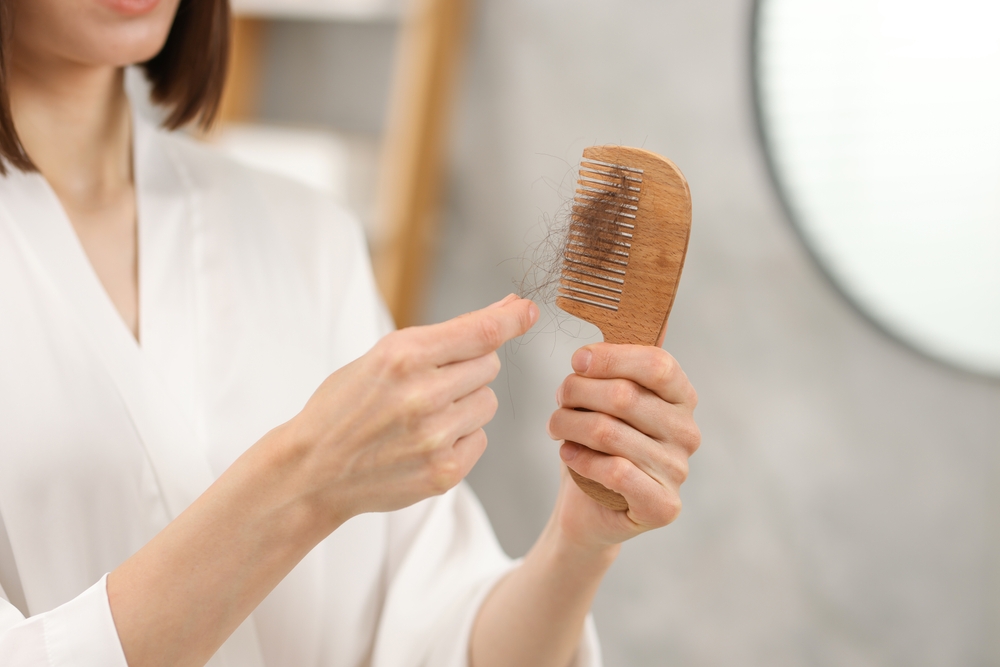
More hair in the shower drain. A thicker clump in your brush. If that sounds like your October, you are in good company: fall is when many people notice a jump in shedding. Usually it is a normal seasonal shift in the hair growth cycle. Sometimes it is the first sign of a type of alopecia that responds best to early care. Here is how to tell the difference, and when it makes sense to see a dermatologist.
Why Hair Shedding Increases in Fall, and What Is Actually Normal
Each hair strand follows a natural growth cycle that includes a resting phase called telogen. Research suggests that a larger proportion of hairs naturally enter this resting phase during the summer months, with those hairs shedding roughly two to three months later, which places peak natural shedding squarely in the fall. Dermatologists call this phenomenon telogen effluvium when it occurs in response to a trigger, but mild seasonal variation is considered a normal part of the hair growth cycle for many people.
On average, losing 50 to 100 hairs per day is normal. If fall shedding is truly seasonal, you may notice a temporary increase in hair on your pillow, in your brush, or circling the shower drain, but your overall hair density and thickness should remain relatively stable. Shedding typically resolves within a few weeks as the growth cycle naturally resets.
What complicates the picture is that fall shedding can also be triggered or worsened by nonseasonal factors: nutritional deficiencies, significant physiological stress, hormonal shifts, or changes in overall health. At Arlington Dermatology, we find that patients who come in describing “fall shedding” sometimes have an underlying contributor that a simple evaluation can identify. Our hair loss and alopecia services are designed to try to find an answer for your problem.
Patterns That Point to Alopecia
Not all hair loss is seasonal. Alopecia is an umbrella term for conditions that cause hair loss beyond normal shedding, and each type has its own pattern, cause, and treatment path.
Androgenetic Alopecia
Often called pattern hair loss, this is the most common form. It often presents as a gradually receding hairline or widening part and can affect both men and women. Genetics and hormones play a significant role, and early intervention may slow progression.
Alopecia Areata
This autoimmune condition causes patchy, well-defined areas of hair loss that can appear relatively quickly. It may affect the scalp, eyebrows, lashes, or other areas. Because it involves the immune system, it requires a different clinical approach than pattern hair loss.
Telogen Effluvium
When shedding is diffuse and triggered by an identifiable event, such as illness, surgery, significant emotional stress, or nutritional depletion, it may be classified as telogen effluvium. This form often improves once you address the underlying trigger, but professional guidance helps try to find the cause and rule out other conditions. Our hair and nail conditions page provides additional detail on the range of concerns we evaluate and treat.
How a Dermatologist Works Out the Cause
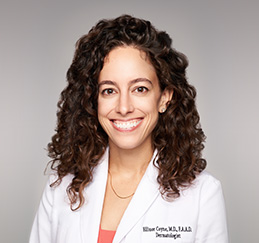
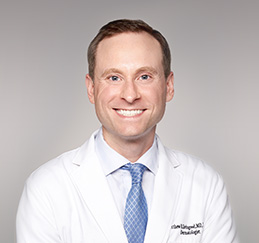
At Arlington Dermatology, board-certified dermatologists Dr. Ellinor Coyne and Dr. Matthew Livingood approach hair loss with the same thoroughness they bring to every medical concern. A hair loss consultation typically involves a detailed health history review, examination of the scalp and hair follicles, and, when indicated, laboratory testing to assess thyroid function, iron levels, nutritional status, and sometimes hormonal markers. Dermoscopy, a technique that allows close visualization of the scalp and follicle openings, may also be used to gather additional diagnostic information without any discomfort.
Once your provider establishes a diagnosis, they will walk you through a personalized treatment plan. Options may vary depending on the type and stage of hair loss, and may include topical or oral medications, in-office procedures such as platelet-rich plasma (PRP), or guidance on contributing lifestyle or nutritional factors. For patients whose hair and nail concerns intersect with other skin conditions, such as scalp psoriasis or other inflammatory skin conditions, our full-spectrum practice provides coordinated care under one roof rather than referrals elsewhere. Because Arlington Dermatology offers medical and cosmetic dermatology in one setting, patients who want to address related concerns, from scalp health to overall skin rejuvenation, can do so with the same trusted team. You can also explore our dermatology blog for educational resources on hair, skin, and nail health throughout the year.
A Physician-Led Team for Hair, Skin and Scalp
Arlington Dermatology is led by board-certified dermatologists Dr. Ellinor Coyne and Dr. Matthew Livingood. They work alongside physician assistants Katherine Mahdavi, PA-C, and Ryan Wood, PA-C, so patients in Arlington, McLean, and Alexandria have more appointment availability.
We bring the full spectrum of dermatology under one roof, so whether your concern is hair loss, a related scalp condition, or a broader skin health question, you won’t need to look elsewhere. Online scheduling is available directly through our website, making it easy to take the next step from research to care.
Hair Loss Questions We Hear in the Fall
How do I know if my fall hair shedding is seasonal or a sign of something more serious?
Seasonal shedding usually shows up as a mild, temporary increase in daily hair loss without visible thinning or bald patches. Patchy loss, a widening part, scalp changes, or shedding that lasts beyond a few weeks are worth discussing with a dermatologist, who can determine whether the cause is seasonal, nutritional, hormonal, or a specific hair loss condition.
What types of alopecia does Arlington Dermatology diagnose and treat?
Our board-certified dermatologists evaluate a wide range of hair loss conditions, including androgenetic alopecia, alopecia areata, telogen effluvium, and hair loss associated with scalp conditions such as psoriasis or folliculitis. Treatment approaches depend on the diagnosis and may include topical or oral therapies and in-office procedures. You can learn more by visiting our hair loss and alopecia treatment page.
Do I need a referral for a hair loss appointment?
In many cases, you can schedule directly with Arlington Dermatology without a referral, though this may depend on your insurance plan. We recommend checking with your insurer in advance. Online scheduling is available on our website for your convenience, and our team is happy to answer questions about the appointment process when you reach out to us.
What should I bring to my first hair loss consultation?
It helps to come prepared with a timeline of when you first noticed the change, any recent health events such as illness, surgery, or significant stress, a list of current medications and supplements, and any previous lab results if available. The more context you can share, the more efficiently our dermatologists can identify contributing factors and move toward a clear diagnosis and plan.
Can hair loss be related to other skin conditions I might already have?
Yes, certain inflammatory skin conditions, including scalp psoriasis and seborrheic dermatitis, can contribute to hair thinning or loss when left unaddressed. Because Arlington Dermatology provides comprehensive medical dermatology care, patients with overlapping concerns can receive coordinated evaluation and treatment in a single practice. If you have an existing skin condition and are also experiencing hair changes, mention both during your consultation so your provider can be aware of any potential association.
Get Answers Before the Shedding Gets Worse
Whether this fall’s shedding is seasonal or something more, a visit will give you a clear answer and a plan. Contact the office to book your visit and take your first steps toward combating alopecia.