


The first cold mornings in Arlington usually come with a new set of skin complaints: tight cheeks after cleansing, flaky patches around the nose, and makeup that suddenly clings to dry spots. None of that is a coincidence. Lower humidity outside and dry indoor heat pull water out of the skin, and the lightweight products that worked in July often cannot keep up. A few deliberate changes to your fall skincare routine, guided by a dermatologist when needed, can keep your skin comfortable through winter.
What Changes in Your Skin Between August and November
Summer leaves its mark first. Heat, sweat and months of UV exposure can leave skin with uneven pigmentation, dehydration or extra sensitivity well into September. Then the air changes. When humidity drops, the skin’s outer layer loses water faster, and the barrier that keeps irritants out becomes easier to disrupt.
For patients who already manage eczema or rosacea, that shift can set off flares that are harder to settle once they start. Adjusting your routine early in the season is usually easier than repairing irritated skin later. Indoors, a humidifier in the bedroom and shorter, lukewarm showers can take some of the pressure off your skin once the heat comes on.
Four Swaps for a Dermatologist-Approved Fall Skincare Routine
You do not need a whole new shelf of products. Most people need to change just four steps.
1. Trade Foaming Cleansers for Gentle Ones
Foaming and gel cleansers can strip the skin barrier once the air turns dry. A cream or hydrating cleanser cleans without leaving skin tight. Our licensed aesthetician, Abbey Bautista, can help you choose products suited to your skin type from the skincare lines we carry.
2. Move to a Richer Moisturizer
Look for barrier-supporting ingredients such as ceramides, hyaluronic acid and niacinamide. They help skin hold onto moisture against indoor heating. Dehydrated skin also makes fine lines look more noticeable, so patients with skin aging and facial concerns often notice a difference in texture as well as comfort.
3. Keep Your Daily SPF
Sunscreen is the step most people drop in fall, and it is the one to keep. UV exposure continues through October and November, and daily broad-spectrum SPF matters even more if you are undergoing laser treatment or managing pigmentation disorders.
4. Start or Increase Retinoids
Lower sun intensity makes fall a practical time to introduce a retinoid or step up to a stronger one, since these ingredients can make skin more sun-sensitive. If you have been curious about prescription-strength options, a fall appointment is a good time to ask.
Don’t Forget Hands, Lips and Body
Your face is not the only skin that feels the change. Frequent hand washing strips moisture quickly, so keep a thick hand cream near the sink and apply it after every wash. Use a plain, fragrance-free lip balm, and moisturize your body within a few minutes of getting out of the shower, while skin is still slightly damp, to lock in water.
Planning Your Fall Treatment Calendar
Fall is a popular season for cosmetic dermatology, and timing is part of the reason.
- Laser resurfacing. Treatments like Fraxel and Clear + Brilliant are easier to recover from when sun exposure is lower, and starting in fall leaves time for skin to heal well before summer. If new brown spots or uneven tone showed up this summer, this is the season to address them. You still need to avoid the sun after treatment, but it is easier in October than in July.
- Botox, Dysport and fillers. These have no sun-related scheduling concerns, so they can be booked whenever they fit your calendar.
- Your annual skin exam. If you spent a lot of time outdoors this summer, fall is a natural time for a full-body screening. Early detection remains the most important factor in good outcomes, and skin cancer evaluation and treatment is a core part of our medical practice.
Our team can help you sequence these so each one fits your goals and your schedule.
Signs Your Skin Needs More Than a Product Swap
Over-the-counter products handle everyday dryness, but some changes deserve a clinical look:
- Dryness, cracking or irritation that has not improved after about two weeks of gentler products
- A rash that appears or keeps spreading; learn more about rash diagnosis and treatment
- Eczema or rosacea flares that your usual routine is not controlling
- A new or changing spot you noticed after summer
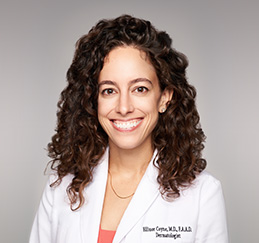
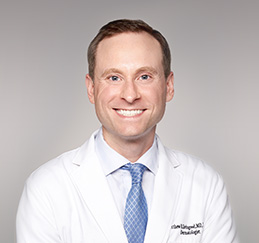
These can point to a compromised skin barrier, eczema or contact dermatitis that responds better to prescription care than to another moisturizer. Dr. Coyne, Dr. Livingood and our physician assistants can evaluate the cause and treat it directly.
Questions About Changing Your Skincare for Fall
When should I switch to my fall routine?
A good cue is when overnight temperatures start dropping consistently, which in the Virginia and DC area is usually September. Making the switch before your skin feels dry helps prevent the tightness and flaking many people notice by mid-October.
Can I still get laser treatments in the fall?
Yes, and fall is often a preferred time. Lower UV intensity and less time outdoors make it easier to follow post-treatment sun precautions. Your provider can recommend which treatment fits your skin concerns and health history.
Should I exfoliate less once it gets cold?
For most people, yes. Skin that is already losing moisture is more easily irritated, so it often helps to cut back on scrubs and strong exfoliating acids, especially if you are also using a retinoid. Your provider can help you balance active ingredients so your routine stays effective without leaving skin raw.
Do I need sunscreen on cloudy fall and winter days?
Yes. UV radiation is present year-round, including on overcast days. Daily broad-spectrum SPF is especially important if you have pigmentation concerns, are in the middle of active treatments or have a history of skin cancer.
Can one visit cover both medical and cosmetic concerns?
Often, yes. Because medical, surgical and cosmetic dermatology are all available here, a single visit can include a skin exam and a conversation about lasers or injectables. A cosmetic consultation can be added to a medical exam for an additional fee. Mention everything you would like to address when you book so we can plan enough time.
Get Your Skin Ready for Winter
Arlington Dermatology was founded by board-certified dermatologists Dr. Ellinor Coyne and Dr. Matthew Livingood to give their own community the care they would want for their families, and that includes help with something as everyday as a seasonal routine. Whether you are due for a skin exam, thinking about laser treatment or simply want a routine that works in dry weather, schedule your fall visit online or call the office. We welcome patients from Arlington, McLean, Alexandria and across the DC area.