


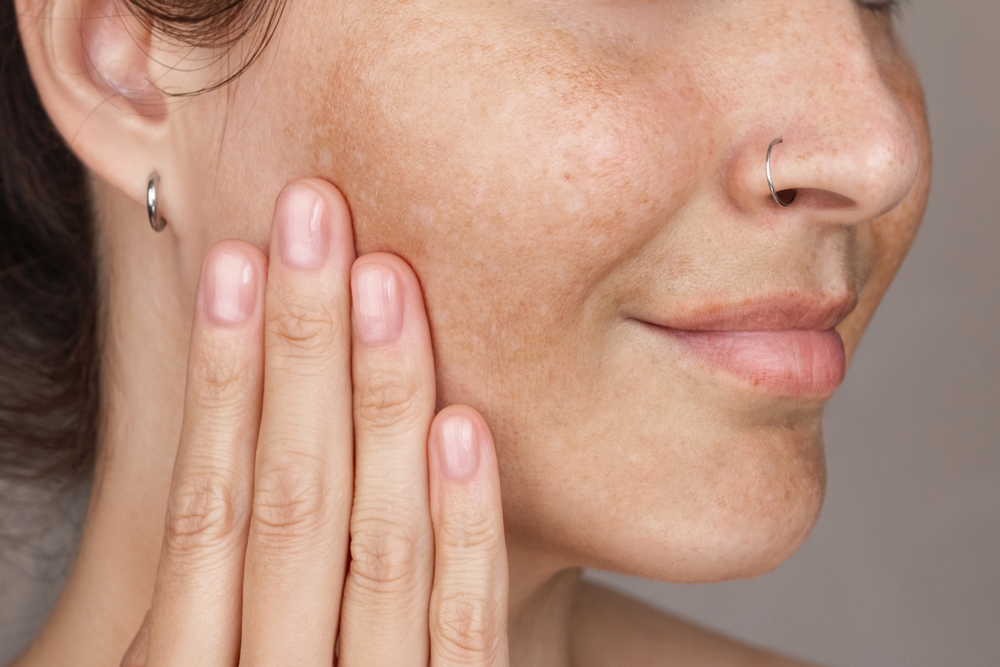
By September, many of our patients notice the same thing in the mirror: the summer tan has faded, but the brown, blotchy patches on the cheeks, forehead or upper lip have not. That is often melasma, and it rarely clears up just because the season changes. The good news is that fall is one of the best times to start melasma treatment, because the sun that triggered the patches is finally easing off. Here is why melasma lingers, how our board-certified dermatologists approach it, and what kind of progress you can realistically expect.
Why the Patches Outlast Your Tan
Melasma is a pigmentation disorder in which melanocytes, the skin cells that make pigment, over-produce melanin in certain areas of the face. It is more common in women and in people with naturally darker skin tones, though anyone can develop it. A tan fades as sun-darkened surface cells shed. Melasma behaves differently, for three main reasons.
Sun, Visible Light and Heat
Ultraviolet light is the biggest trigger, and summer exposure adds up quickly, even on cloudy days and short walks outside. Visible light and heat are also thought to stimulate pigment production, which is why a hat alone does not always protect skin during a hot DC summer. Patients who lightened their patches over the winter often find they have come back, or deepened, by late August.
Hormones and Genetics
Hormonal changes, including those that come with pregnancy, birth control pills or hormone therapy, are a well-established contributor. Some people also appear to be genetically predisposed. When a trigger such as a medication is removed, melasma occasionally fades on its own, but for most patients it persists without treatment.
Pigment at Different Depths
Some melasma sits near the surface of the skin, and some sits deeper. Surface pigment tends to respond more readily to topical treatment, while deeper pigment can take months of consistent care to improve. A dermatologist can assess your pattern and skin type and rule out other causes of dark spots. If you have brown spots or uneven pigmentation elsewhere, we can look at those in the same visit.
How Melasma Treatment Works at Arlington Dermatology
There is no single fix for melasma. The most effective plans combine prescription skincare, carefully chosen in-office treatments and strict sun protection, adjusted over time as your skin responds.
Prescription and Medical-Grade Topicals
Topical treatment is the foundation of most plans. Depending on your skin, your dermatologist may recommend hydroquinone, tretinoin, azelaic acid, kojic acid, glycolic acid or niacinamide. Tranexamic acid, used topically or by mouth, is another option for some patients. Several of these are often combined, and your provider will adjust the regimen as your skin responds. Our skincare products, including our own Arlington Dermatology line alongside EltaMD and Skinbetter Science, can support a maintenance routine at home.
Chemical Peels and Clear + Brilliant
For patients who need more than topicals, chemical peels and gentle laser treatments such as Clear + Brilliant may help even out tone. Choosing the right option matters: some lasers and aggressive treatments can make pigmentation worse in the wrong patient, which is why these decisions belong with a board-certified dermatologist who knows your skin.
Daily Sun Protection
No treatment plan works without it. Use a broad-spectrum SPF 30 or higher every day and reapply when you are outdoors. Mineral sunscreens with zinc oxide or iron oxides may offer extra protection against visible light. Patients who invest in treatment but skip sunscreen usually see limited results.
A few everyday habits help as well: a wide-brimmed hat, shade during the middle of the day, reapplying sunscreen about every two hours when you are outside, and remembering that UV light reaches you through car and office windows too. Gentle skincare matters, since products and treatments that irritate or inflame the skin, including waxing, can make melasma harder to control.
Two Dermatologists, One Plan for Your Skin
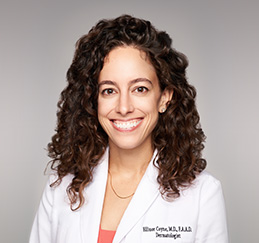
Arlington Dermatology was founded by Dr. Ellinor Coyne and Dr. Matthew Livingood, board-certified dermatologists with deep roots in the DC area who built the practice to care for their own community. Alongside our physician assistants and licensed aesthetician, they offer medical, surgical and cosmetic dermatology under one roof, which makes a difference for a condition like melasma that sits between medical care and skin care.
That also means you can raise other concerns in the same visit. If you are managing rosacea-related redness or want a mole checked, we can build one coordinated plan instead of treatments that work against each other.
What Progress Usually Looks Like
Melasma is a chronic condition. Many patients see meaningful improvement, but it can return with sun exposure, hormonal changes or other triggers, so long-term maintenance is part of the plan rather than a sign that treatment failed. Topical regimens generally take several weeks before changes are visible, and in-office treatments are often done as a series. Results vary from person to person, and consistent sun protection between visits has a large effect on how well improvements hold.
Once your skin has improved, many patients move to a lighter maintenance routine rather than stopping altogether. Periodic follow-up visits let your dermatologist catch early darkening, adjust your products and plan any in-office treatments for the times of year when your skin is easiest to protect.
Melasma Questions We Hear Every Fall
Is melasma the same as sun spots?
Both are forms of hyperpigmentation, but they look and behave differently. Melasma usually appears as larger, blotchy patches on the cheeks, forehead and upper lip and is closely tied to hormones as well as sun exposure. Sun spots tend to be smaller and more sharply defined. A skin evaluation can tell the two apart, which matters because they do not always respond to the same treatments.
Is every treatment safe for my skin tone?
Not every treatment suits every skin type. Some procedures carry a higher risk of post-inflammatory hyperpigmentation in deeper skin tones if they are not selected carefully. Our dermatologists match the approach to your skin, and that is one reason we start many patients on topicals before considering in-office options.
Can I start treatment now, or should I wait until winter?
Fall is a good time to begin. Sun exposure is lower, which makes it easier to protect treated skin, and starting now gives you several months of progress before next summer.
Does melasma from pregnancy go away on its own?
Sometimes. Melasma linked to pregnancy or hormonal medication can fade once the trigger is removed, but it often lingers. Some ingredients used to treat melasma are not recommended during pregnancy or breastfeeding, so let your provider know if either applies to you, and they will build a plan that is appropriate for this stage.
Do I need a referral to be seen for melasma?
In most cases, no. You can request an appointment directly through our website. If you have questions about costs or coverage for your visit, our team is happy to go over them before you come in.
Book Before Next Summer’s Sun Returns
The months between now and spring are the best window to get melasma under control. Request an appointment online, or call the office to talk with our team about starting a personalized melasma plan. We see patients from Arlington, McLean, Alexandria and across the DC area.